Is the Ambrosian Library in Milan Worth Visiting? (Complete Guide)
If you’re planning a trip to Milan and trying to decide between the usual heavy-hitters (Duomo, Last Supper, Galleria Vittorio Emanuele) and some of the city’s more under-the-radar treasures, one question comes up again and again:
Is the Ambrosian Library worth visiting?
The short answer: Yes — especially if you love art, history, Leonardo da Vinci, rare manuscripts, or simply want one of Milan’s best-kept secrets.
The Ambrosian Library (Biblioteca Ambrosiana) is one of the most underrated attractions in Milan. It’s less crowded than the major landmarks, yet it houses world-class masterpieces, including original works by Leonardo da Vinci, Caravaggio, Raphael, and Botticelli. Best of all, it’s affordable, centrally located, and can be comfortably visited in 1.5–2 hours.
In this complete guide, I’ll walk you through exactly what you’ll see, why it’s special, how much it costs in 2026, and whether it deserves a spot on your Milan itinerary.
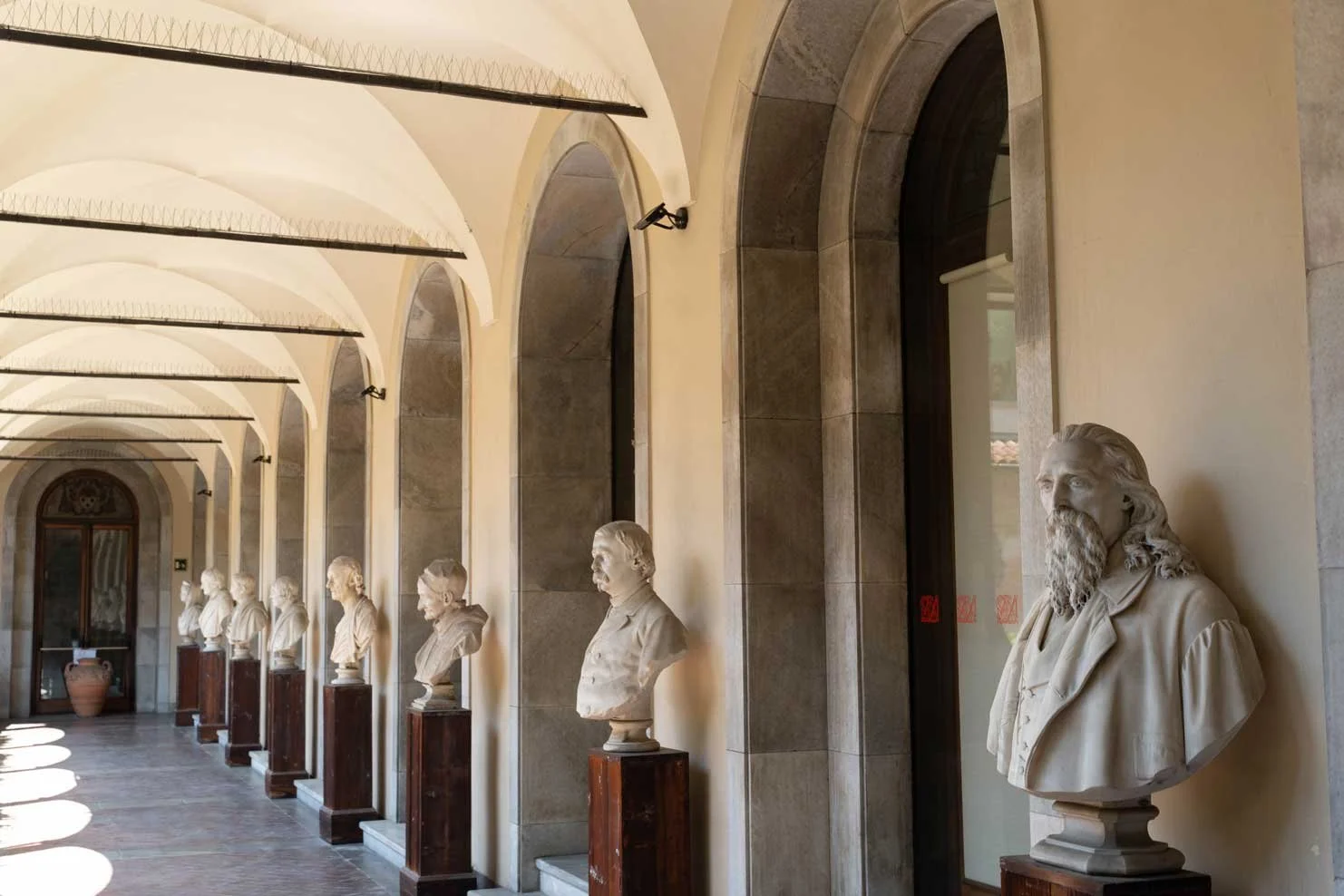
Quick Overview: What Is the Ambrosian Library?
Founded in 1607 by Cardinal Federico Borromeo, the Ambrosian Library was envisioned as a universal center of knowledge open to scholars and the public. Borromeo donated his own extraordinary collection of books, manuscripts, and artworks to establish it — and the institution has been adding treasures ever since.
Today, it operates as two main institutions under one roof:
Biblioteca Ambrosiana — the historic library, home to rare manuscripts, illuminated codices, and Leonardo da Vinci’s famous Codex Atlanticus.
Pinacoteca Ambrosiana — the art gallery, featuring paintings, drawings, sculptures, and fascinating historical objects.
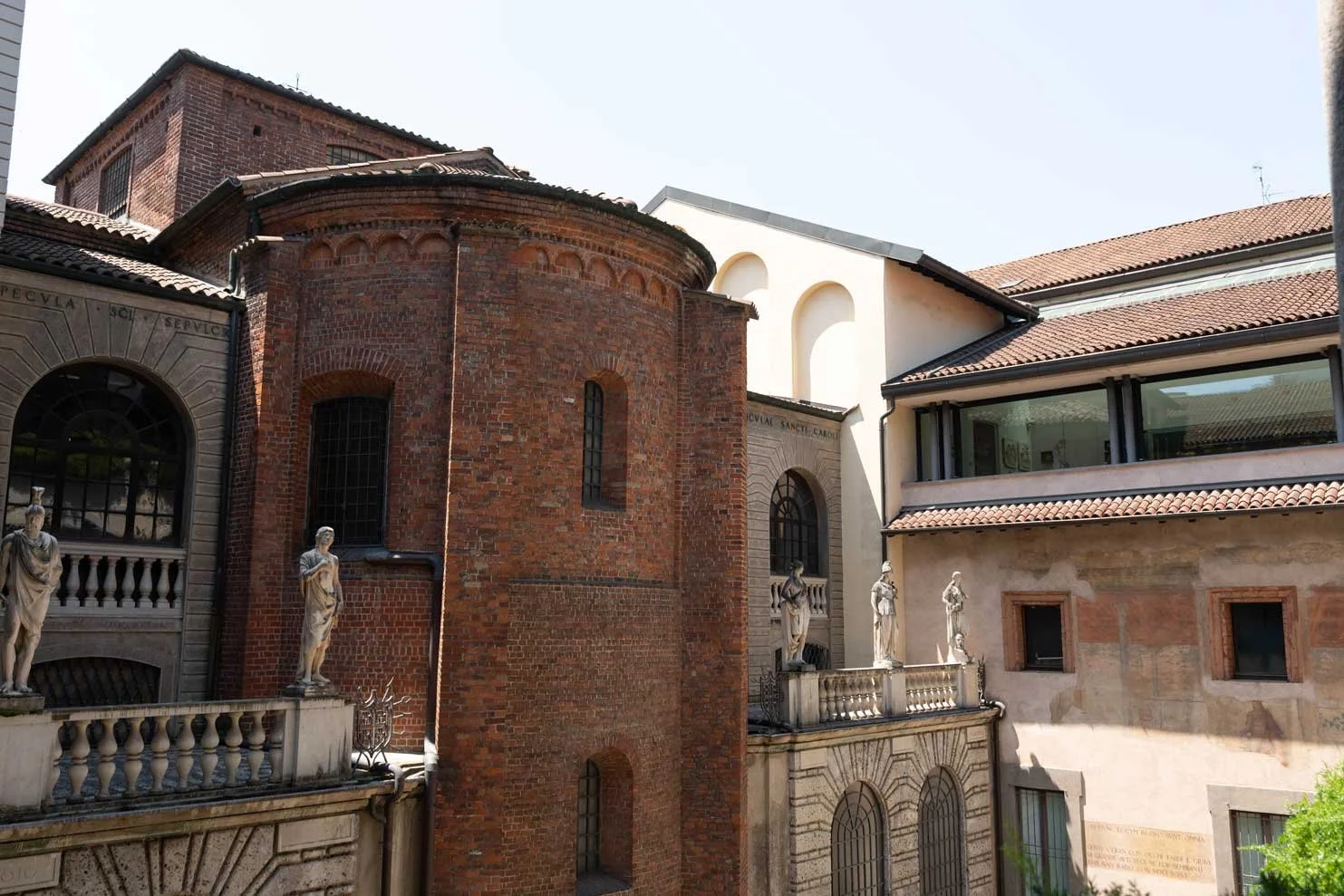
The whole complex is housed in a beautiful 17th-century building just a short walk from the Duomo, making it extremely convenient for most visitors.
Why the Ambrosian Library Is One of Milan’s Hidden Gems
Most people come to Milan for fashion, design, and iconic sights, but the Ambrosian Library offers something different:
World-class masterpieces in a calm, uncrowded setting
Direct access to Leonardo da Vinci’s original drawings and notes
Rare surviving works that are almost never seen outside major museums
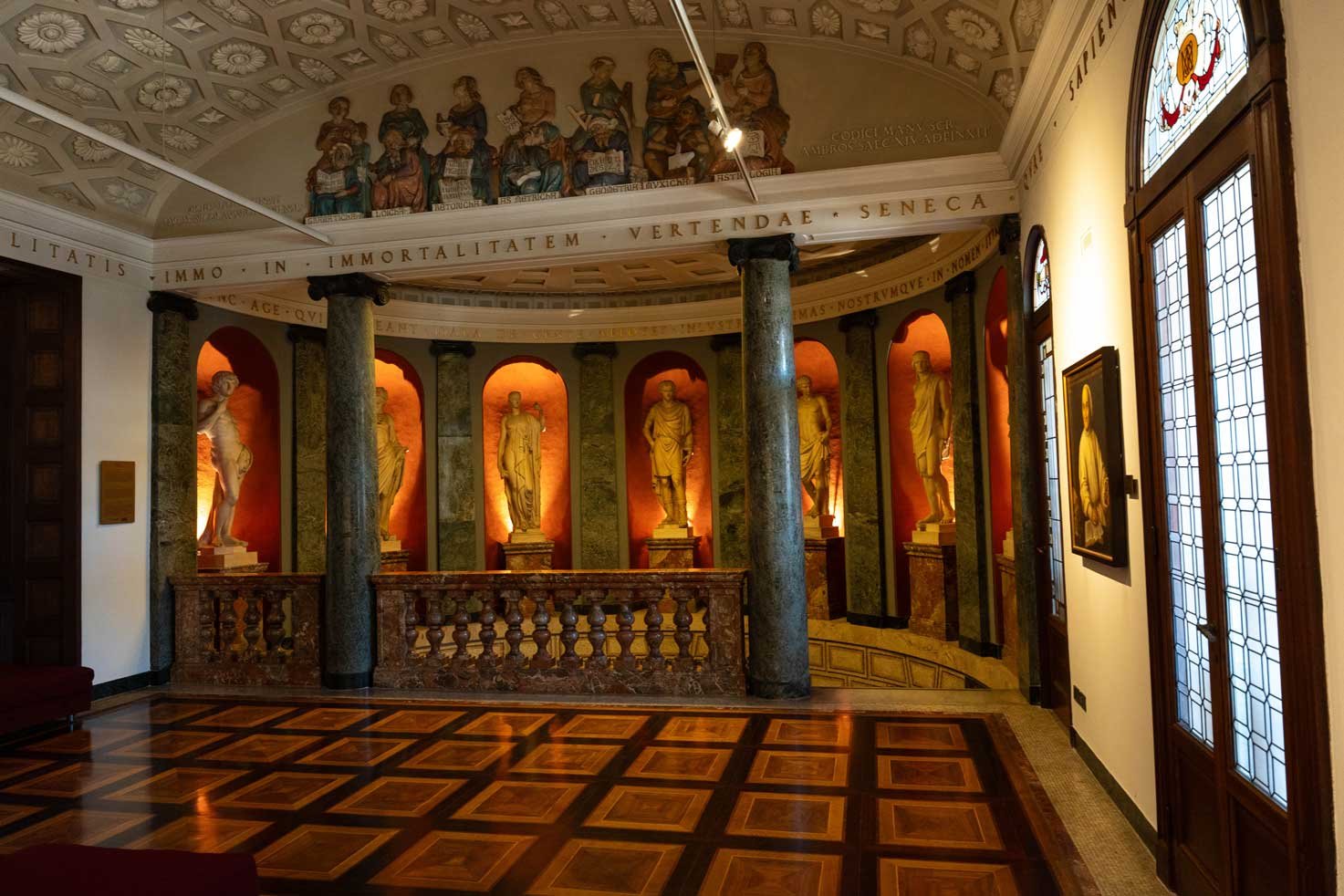
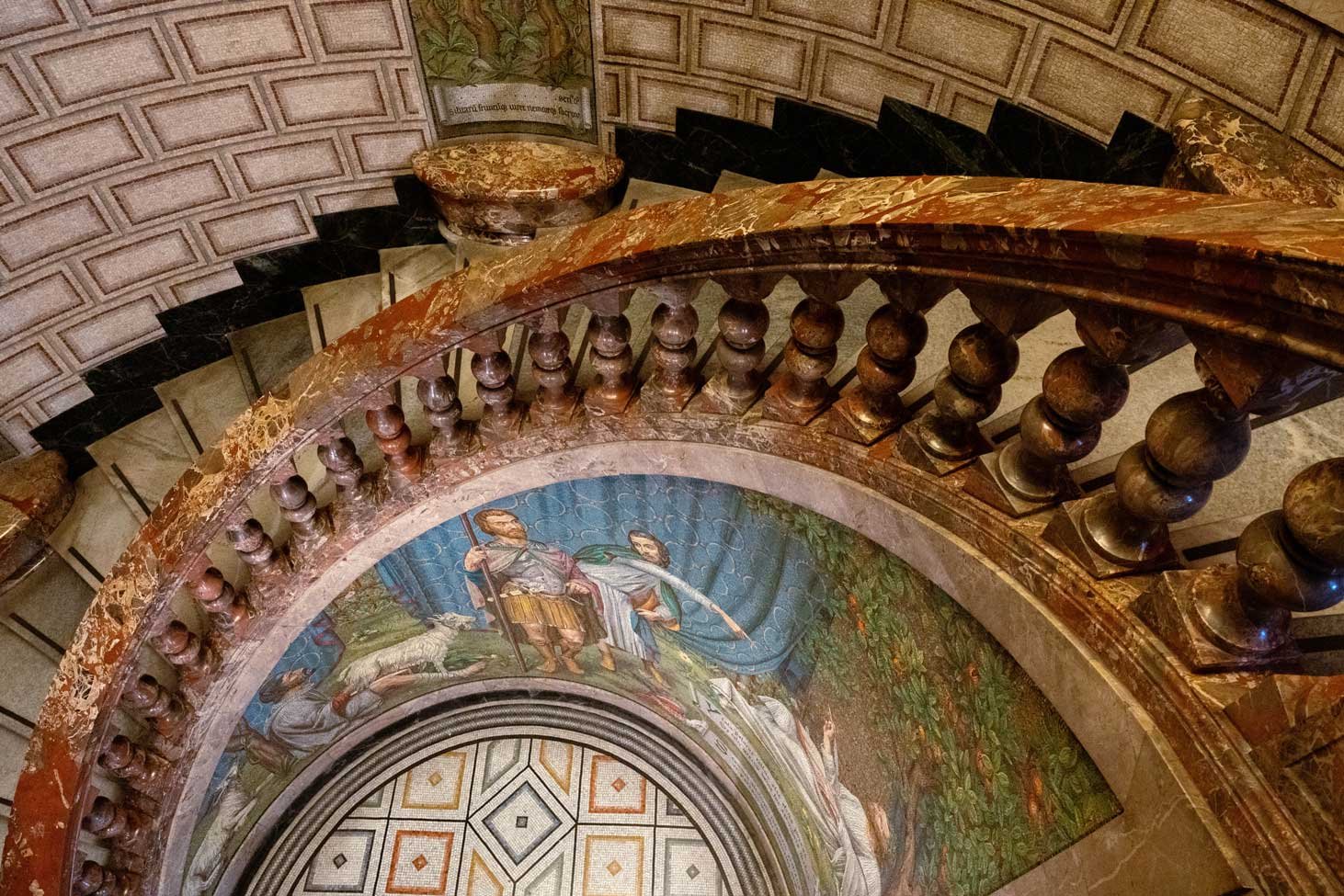
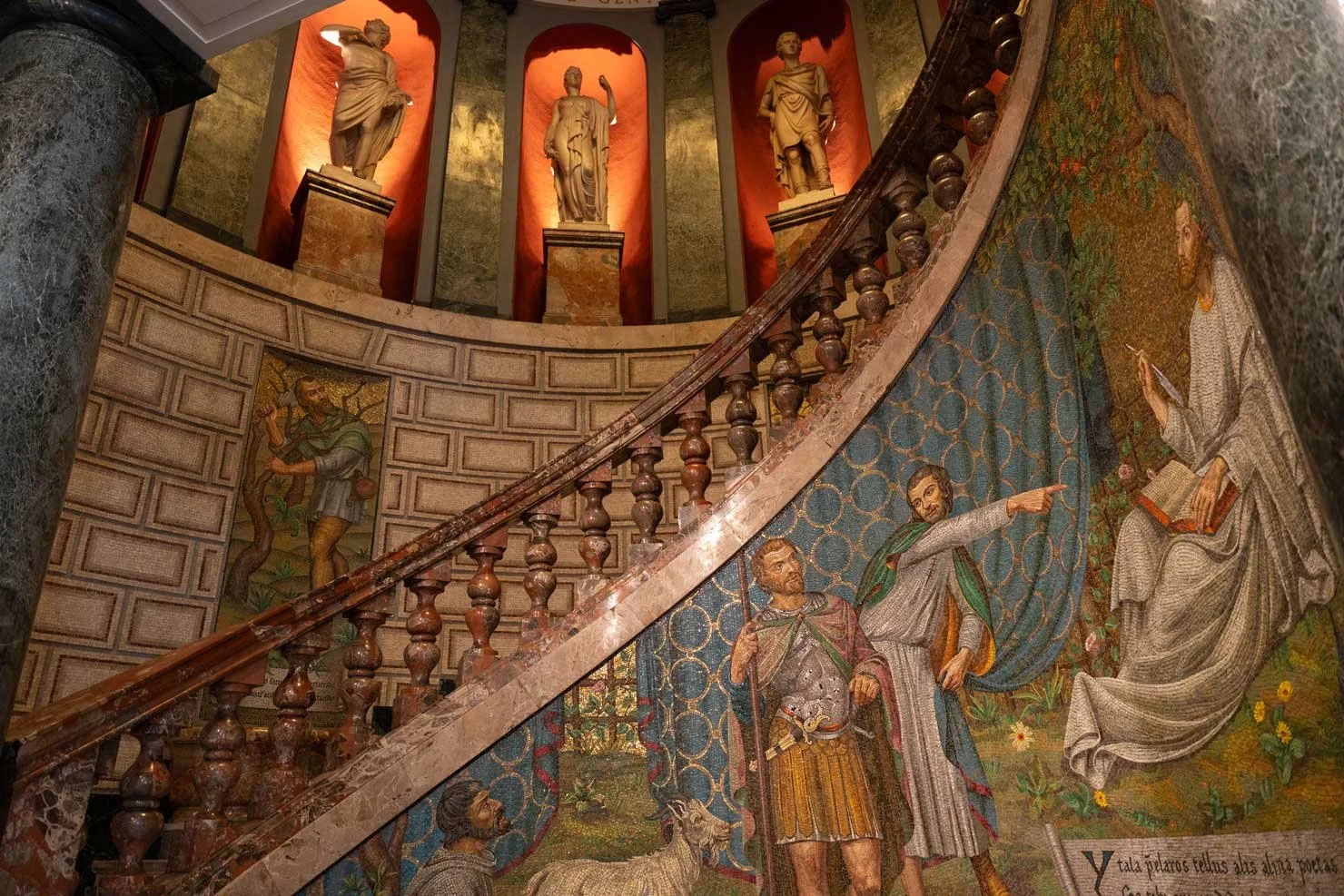
A stunning historic building with gorgeous architecture and interiors
Excellent value — tickets are significantly cheaper than many other Milan attractions
It’s perfect for travelers who want to go beyond the tourist checklist and experience something genuinely special.
Pinacoteca Ambrosiana: The Must-See Art Highlights
The Pinacoteca (art gallery) is where most visitors spend the majority of their time — and for good reason.
Here are the standout pieces you shouldn’t miss:
1. Caravaggio – Basket of Fruit (c. 1599)
One of the most revolutionary still-life paintings in art history. Caravaggio’s hyper-realistic depiction of decaying fruit was groundbreaking — no one had painted fruit this honestly before. Seeing the texture and subtle shadows in person is a completely different experience than looking at photos.
2. Raphael – Cartoon for The School of Athens (1510–1511)
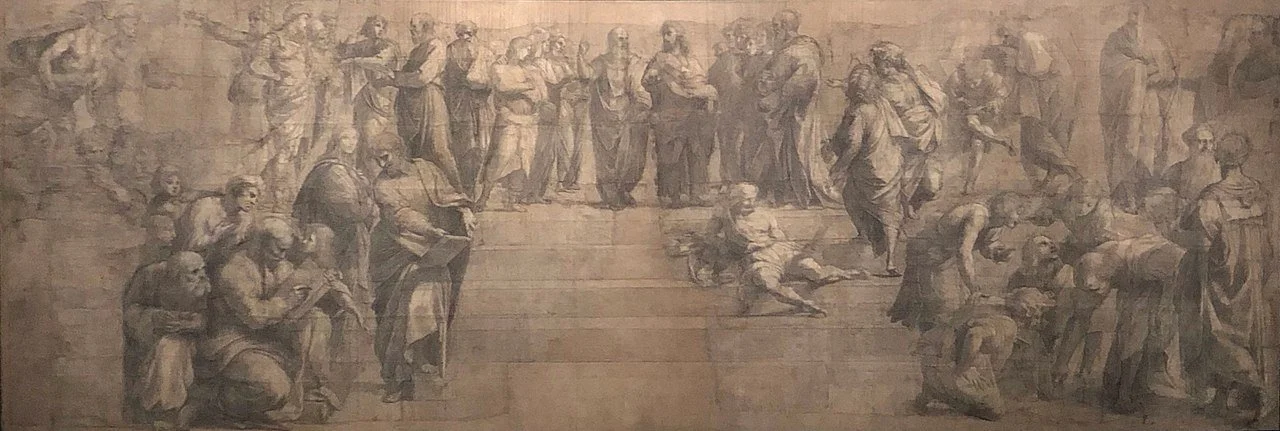
This is the full-scale preparatory drawing Raphael made for his famous Vatican fresco. These large cartoons are extremely fragile and almost never survive — this is one of the rare exceptions. It’s massive, detailed, and gives you a direct connection to how Renaissance masterpieces were created.
3. Leonardo da Vinci – Portrait of a Musician (c. 1485)
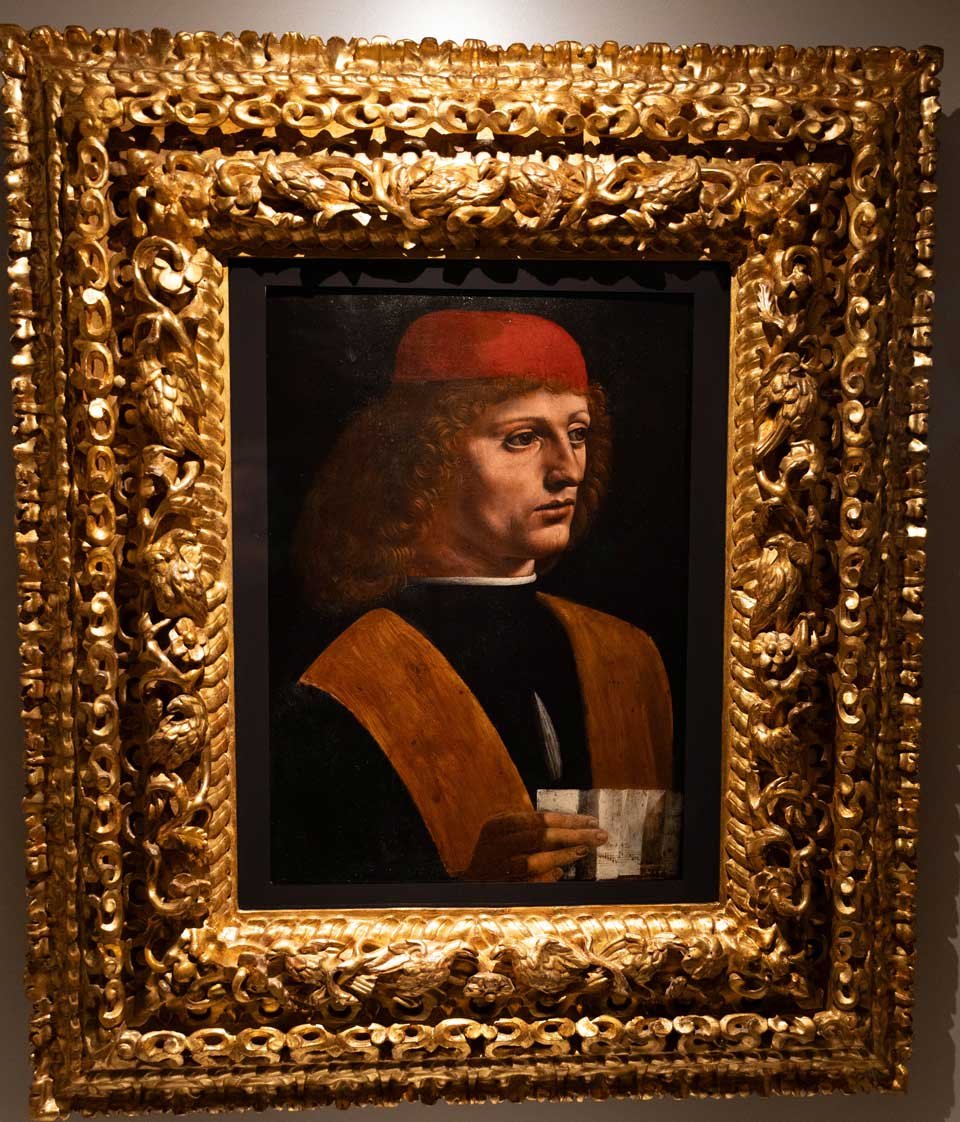
Leonardo’s only surviving painting on wood panel. It’s small, intimate, and shows his signature mastery of sfumato (soft blending of colors and tones).
4. Sandro Botticelli – Madonna of the Pavilion (c. 1490s)
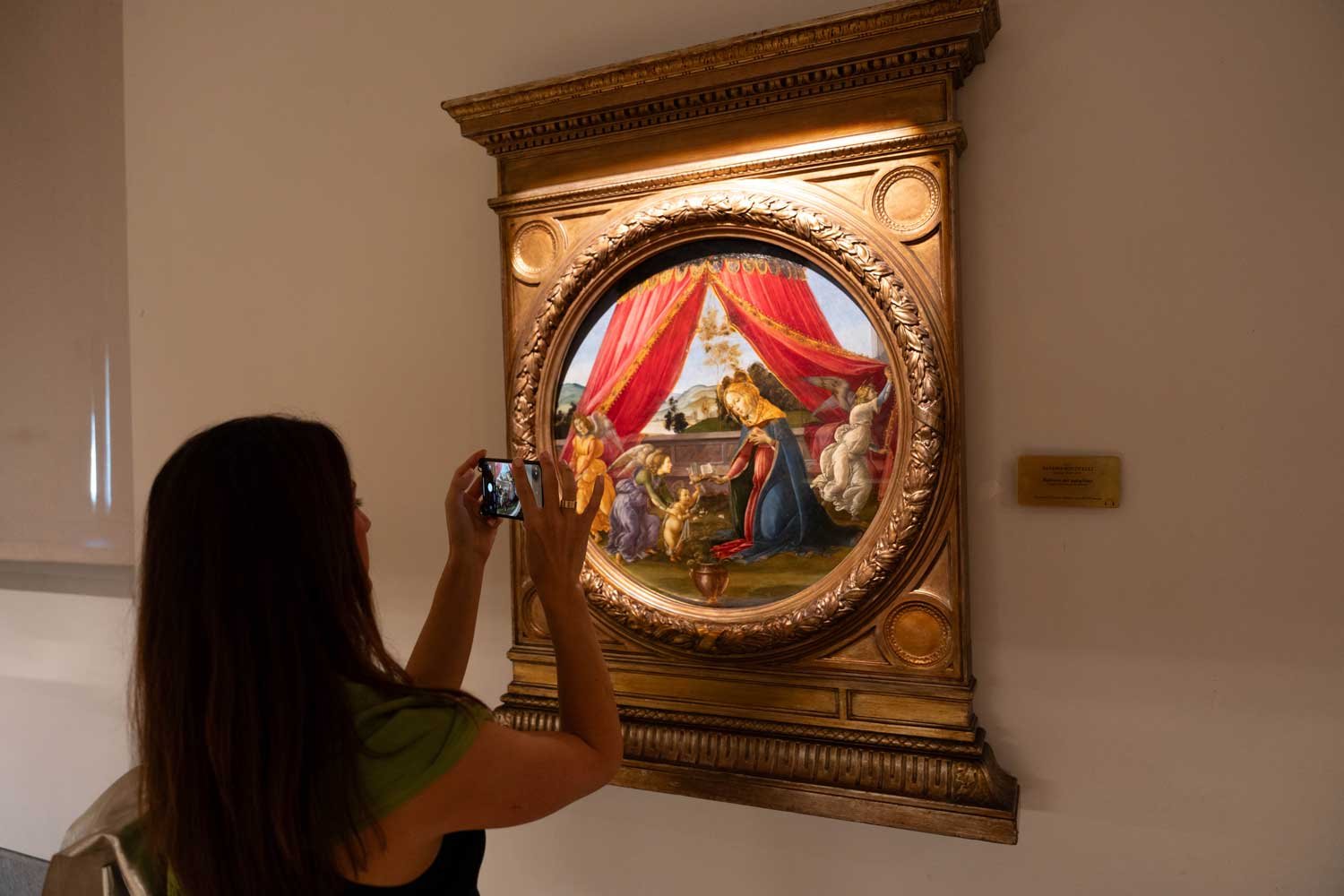
A tender, jewel-like depiction of the Virgin and Child with angels pulling back a curtain to reveal divine glory. The gold leaf and delicate details are stunning up close.
5. Titian Collection
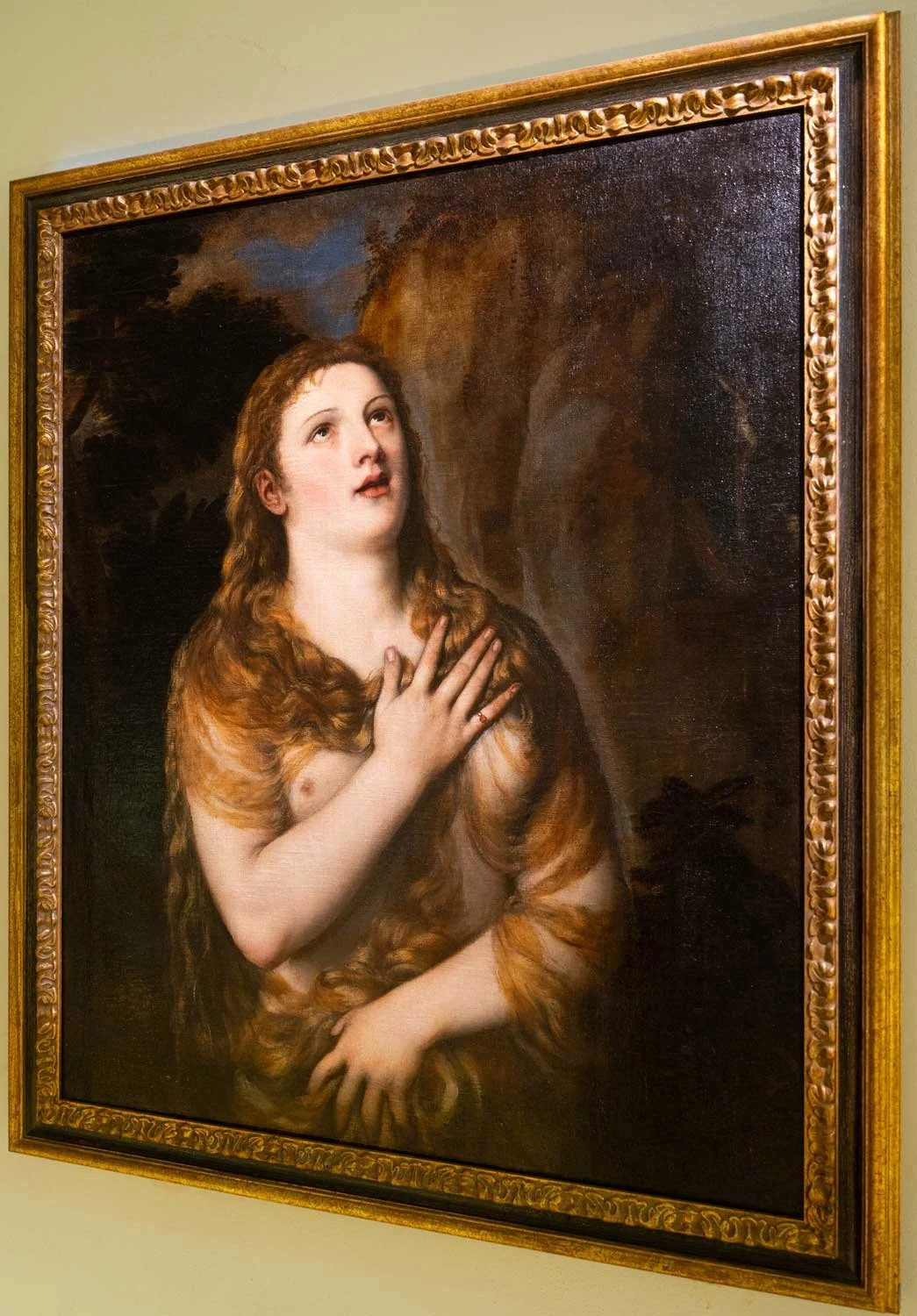
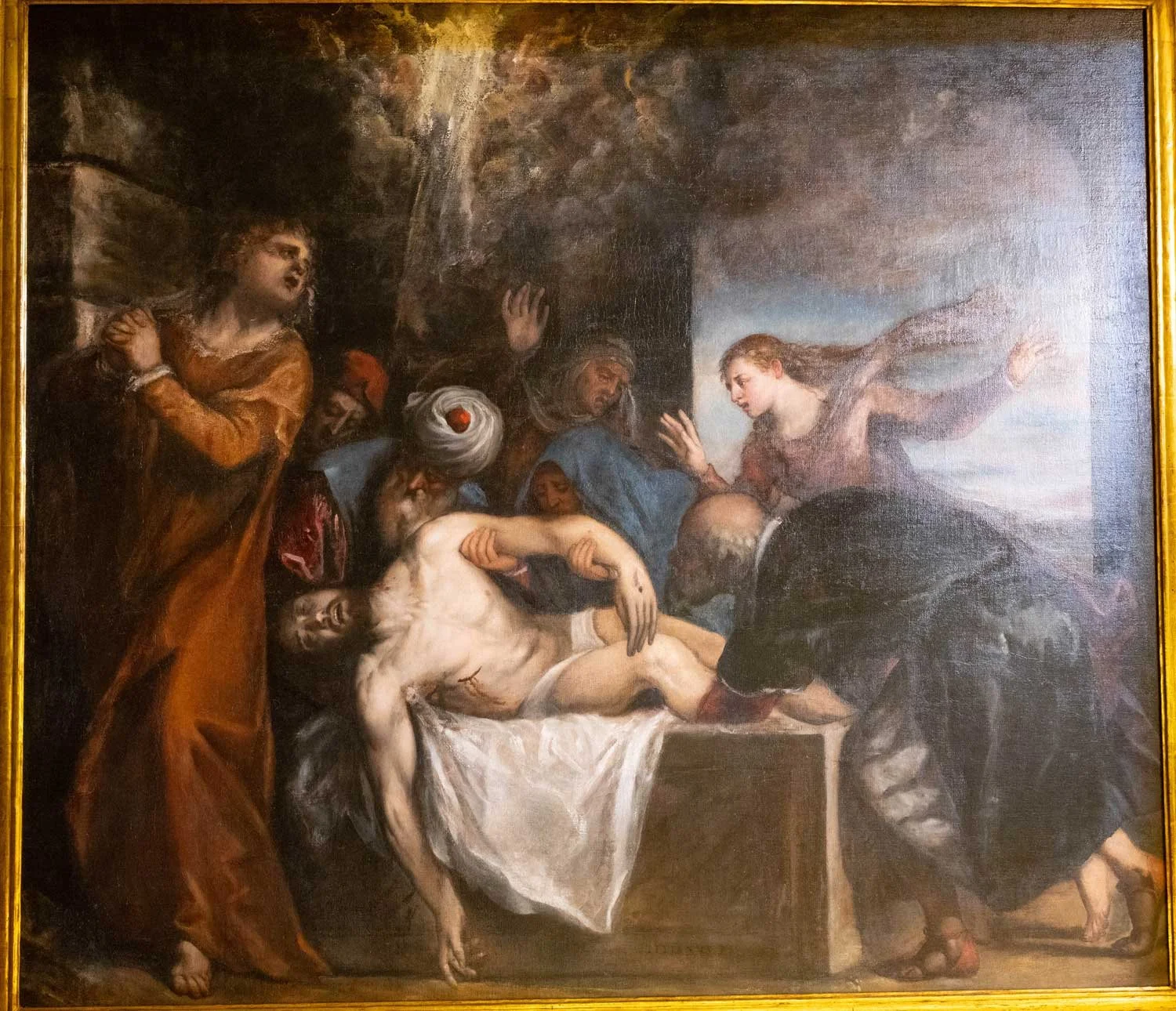
The Ambrosiana holds a surprisingly large number of Titian works, including:
Adoration of the Magi
Mary Magdalene
The Entombment of Christ
Man in Armor
Several copies of his most famous compositions
Titian’s rich colors and dramatic compositions are especially powerful in real life.
6. Jan Brueghel the Elder & Paul Bril Landscapes
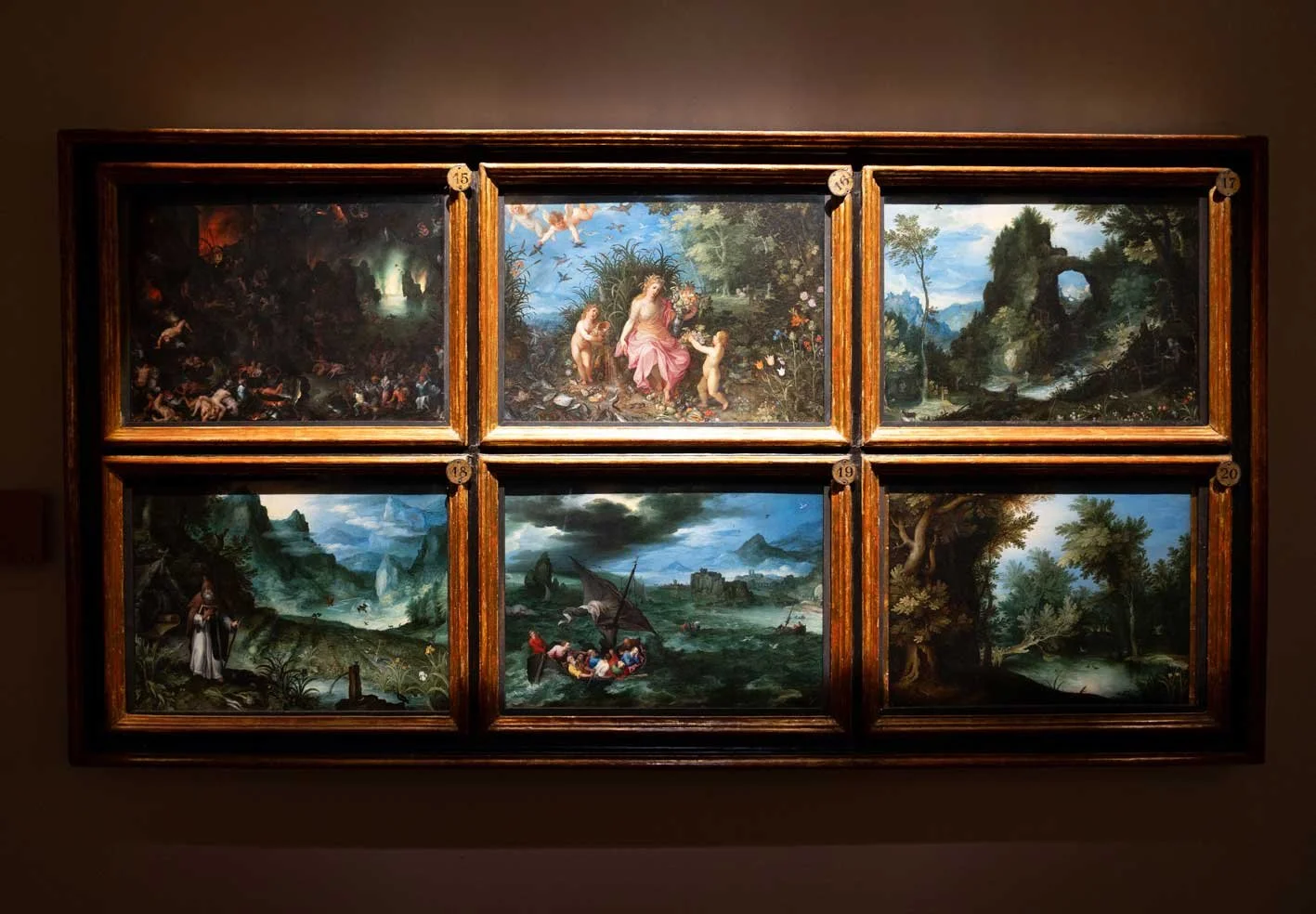
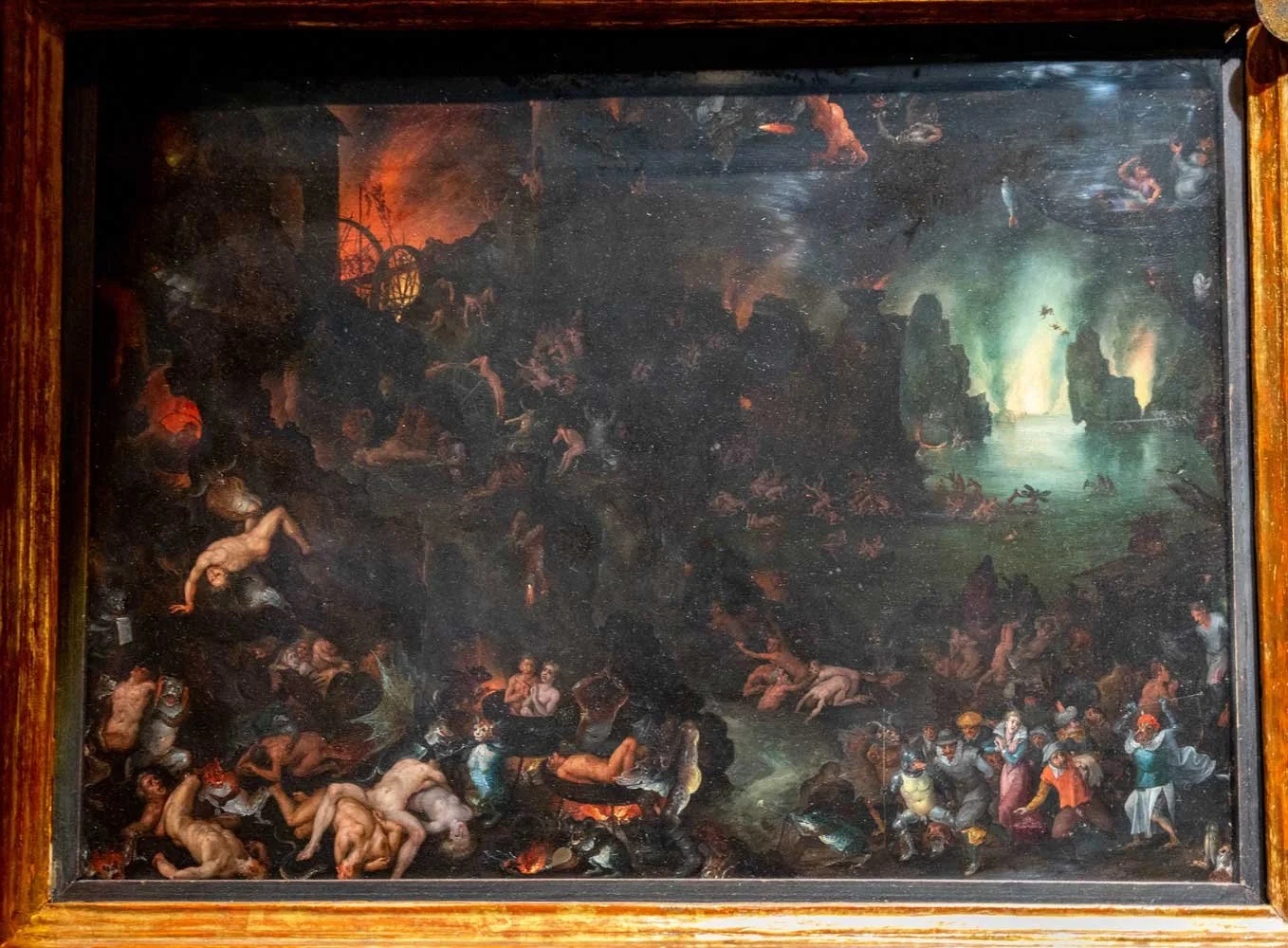
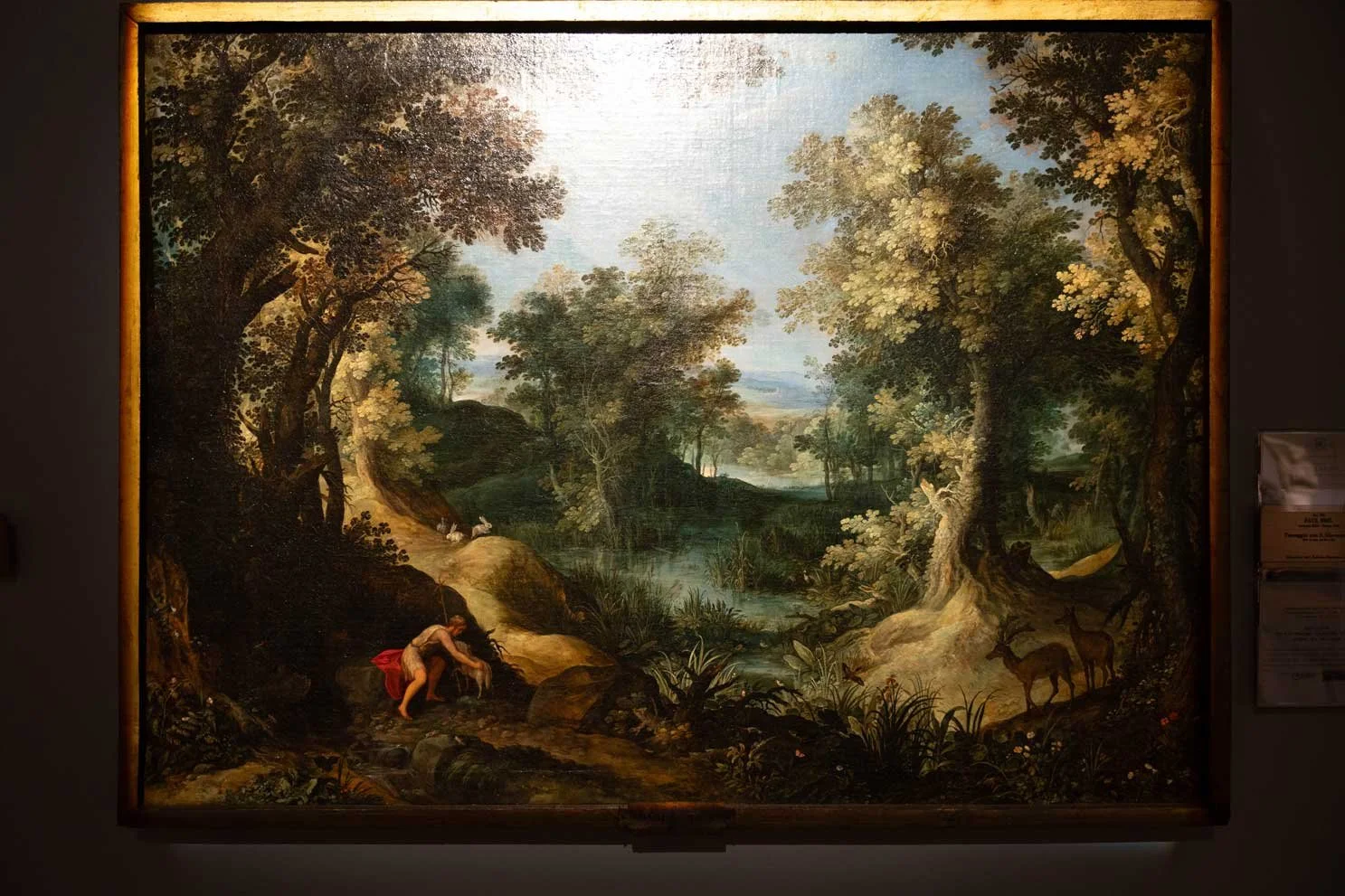
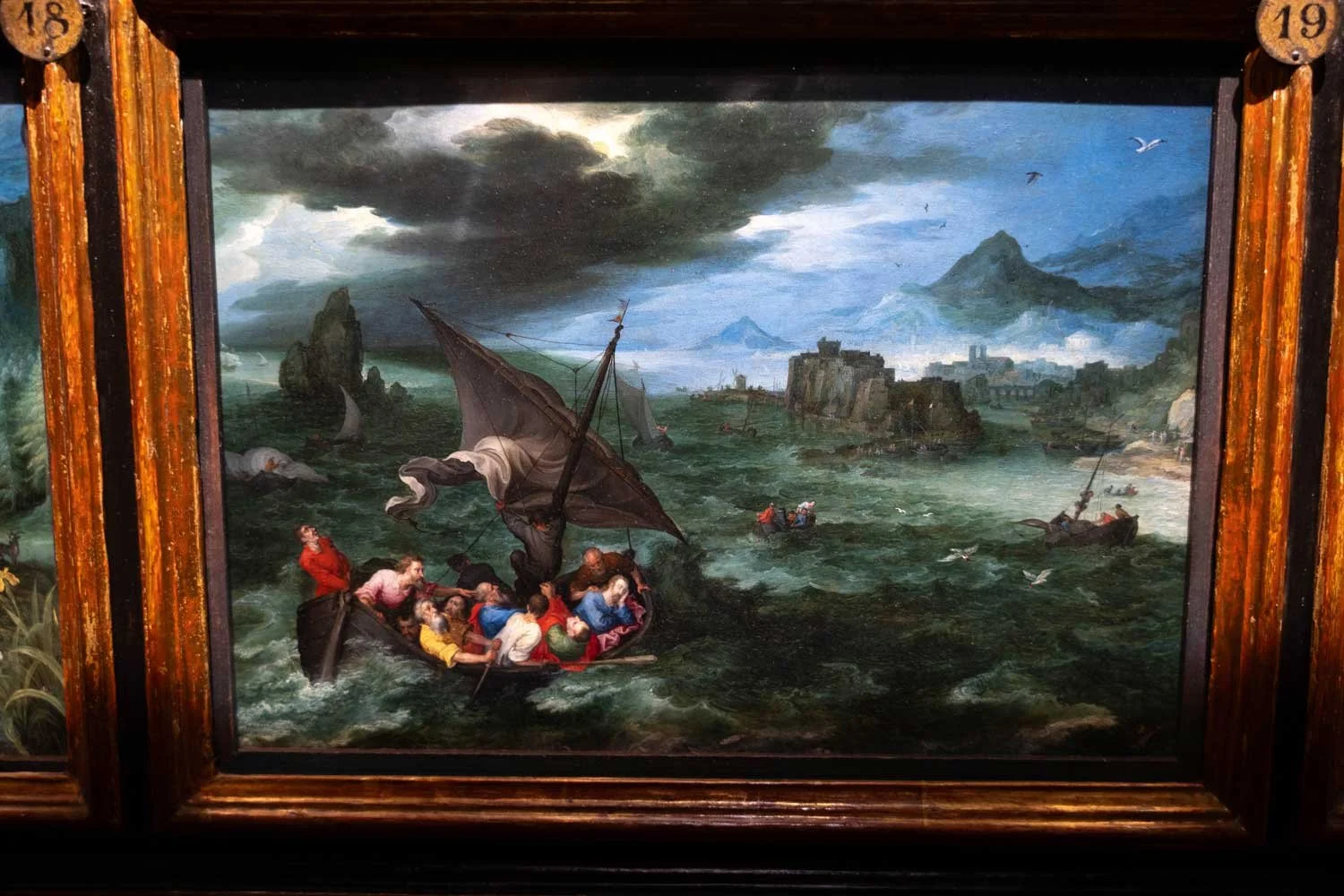
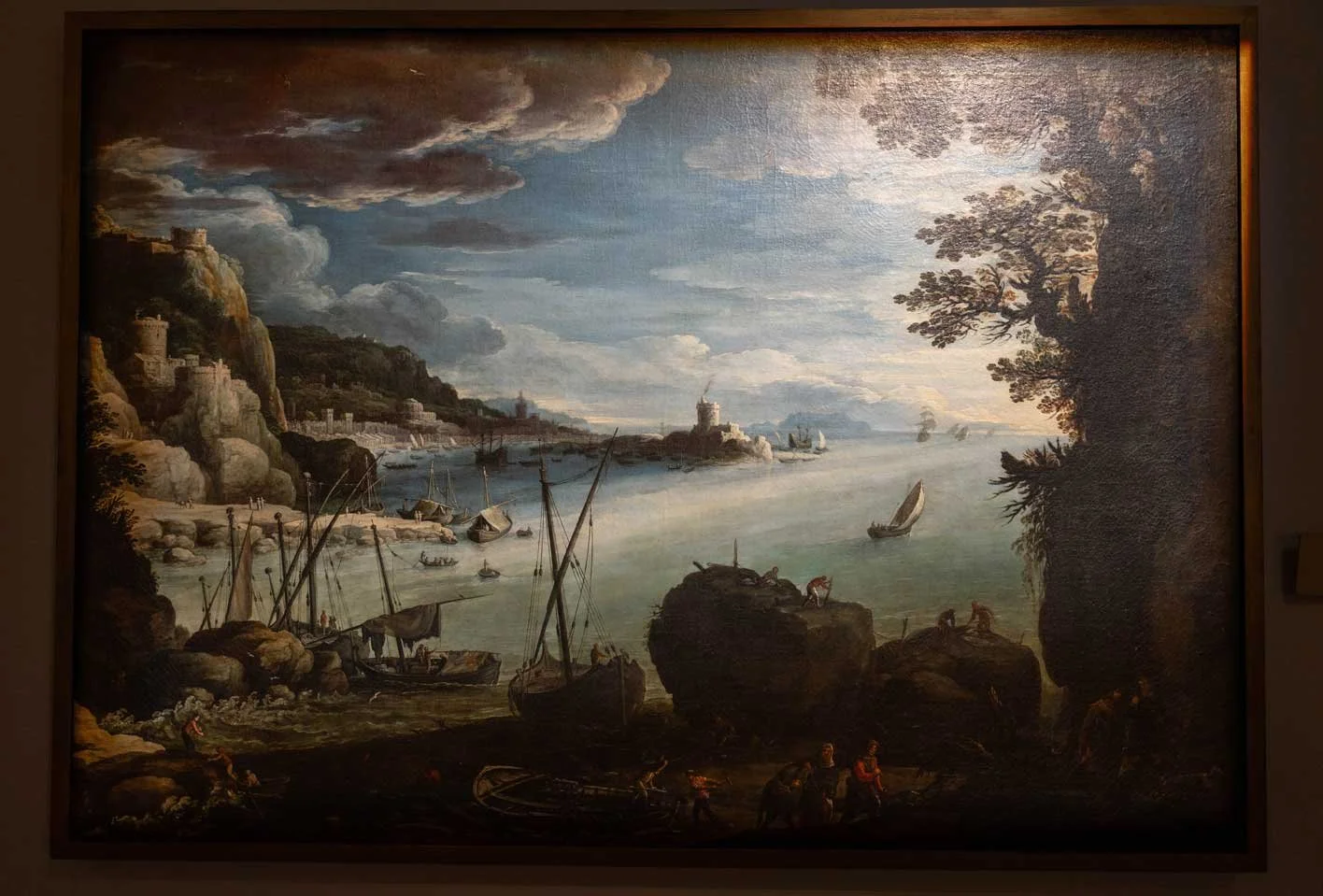
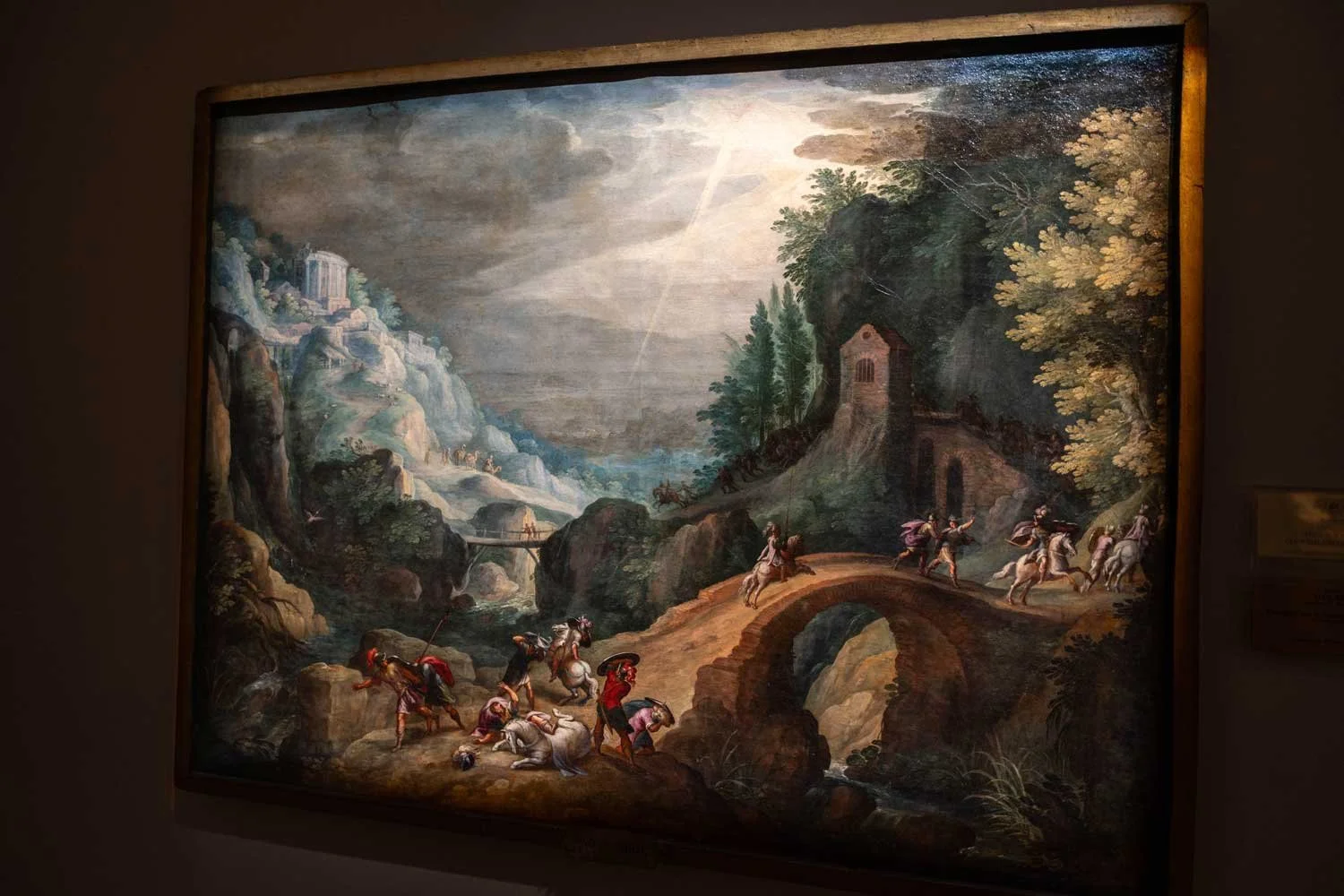
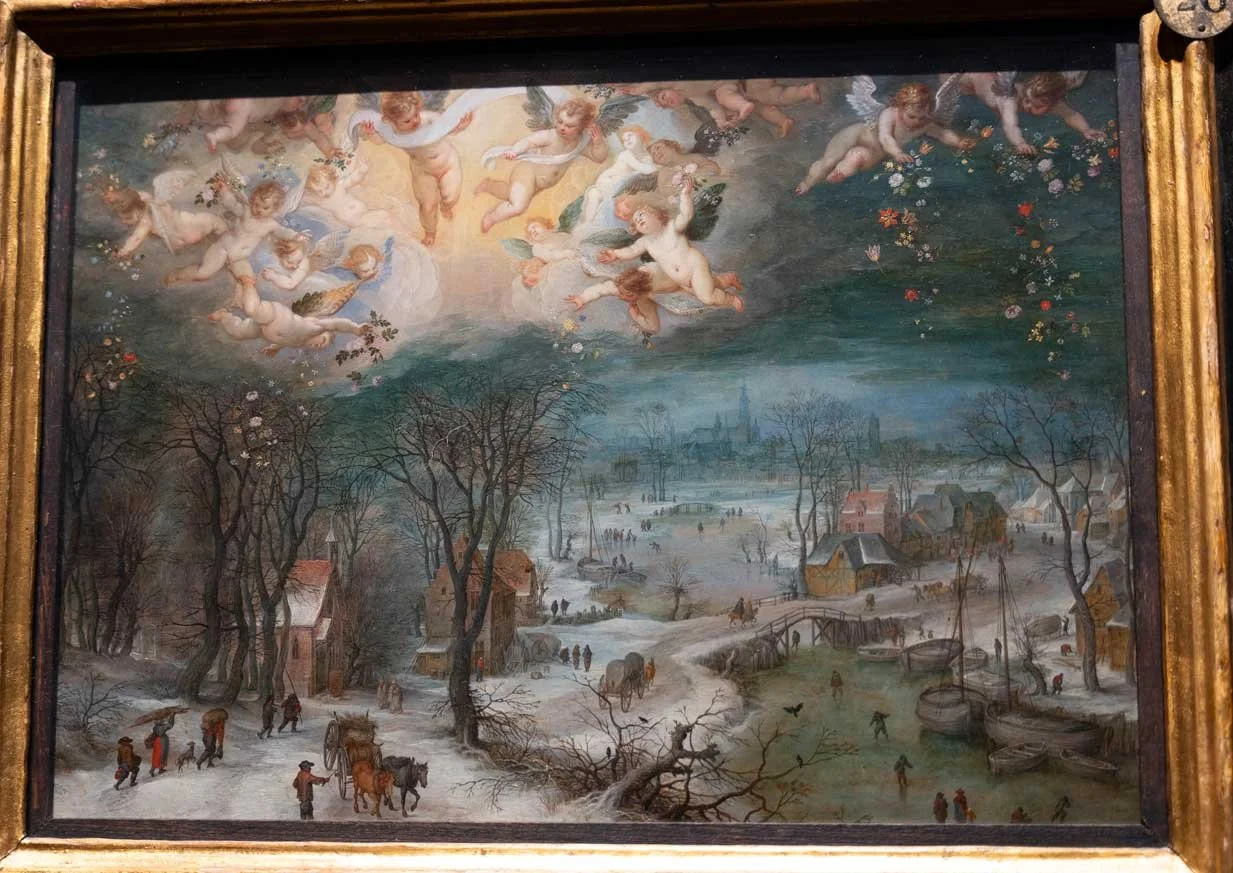
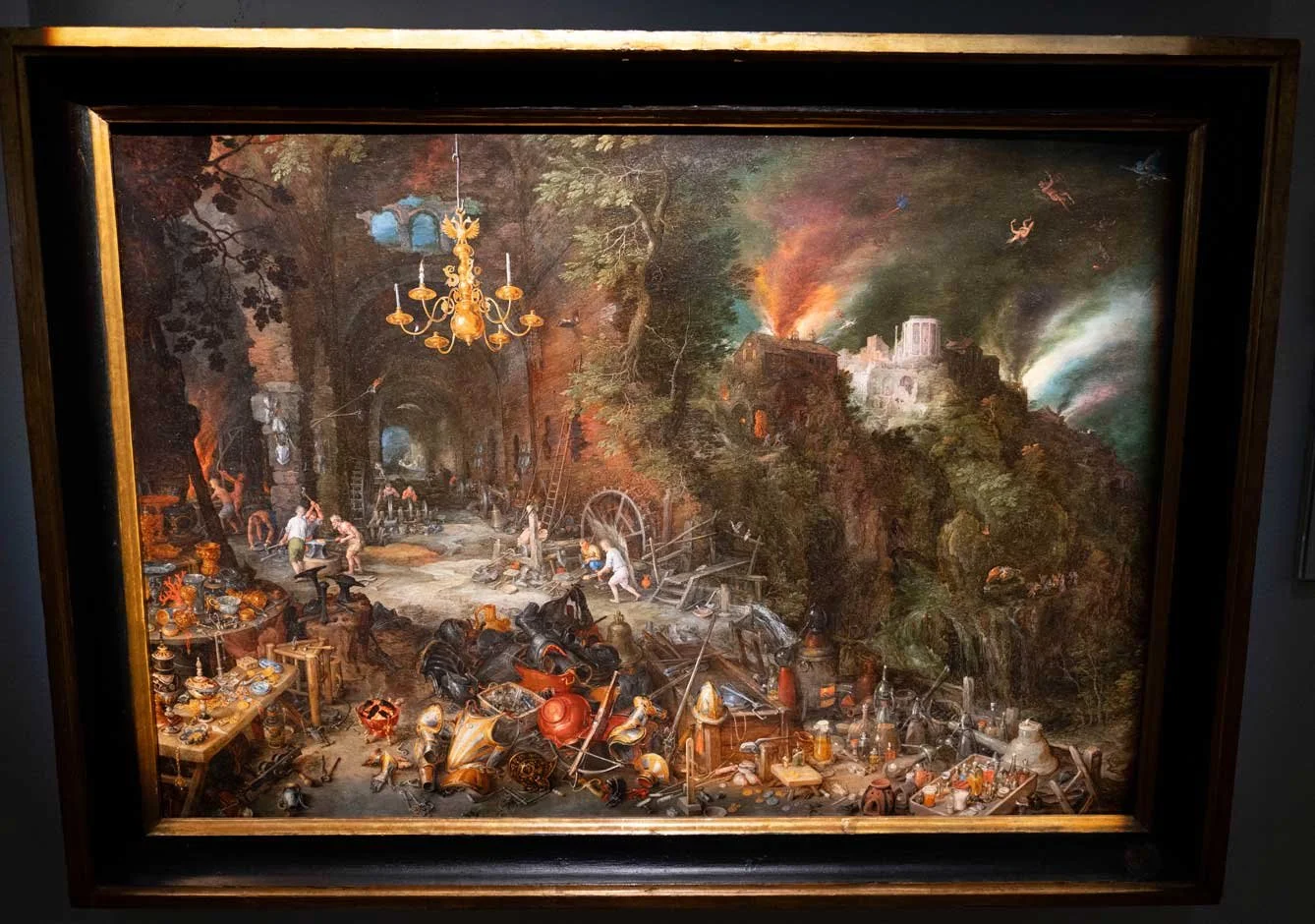
These 17th-century Flemish artists created dramatic, detailed landscapes — some with biblical scenes (The Burning of Sodom, Daniel in the Lions’ Den, The Conversion of Saint Paul). I hadn’t actually heard of either of these artists before entering the library and they quickly became my favorites.
Other Notable Items
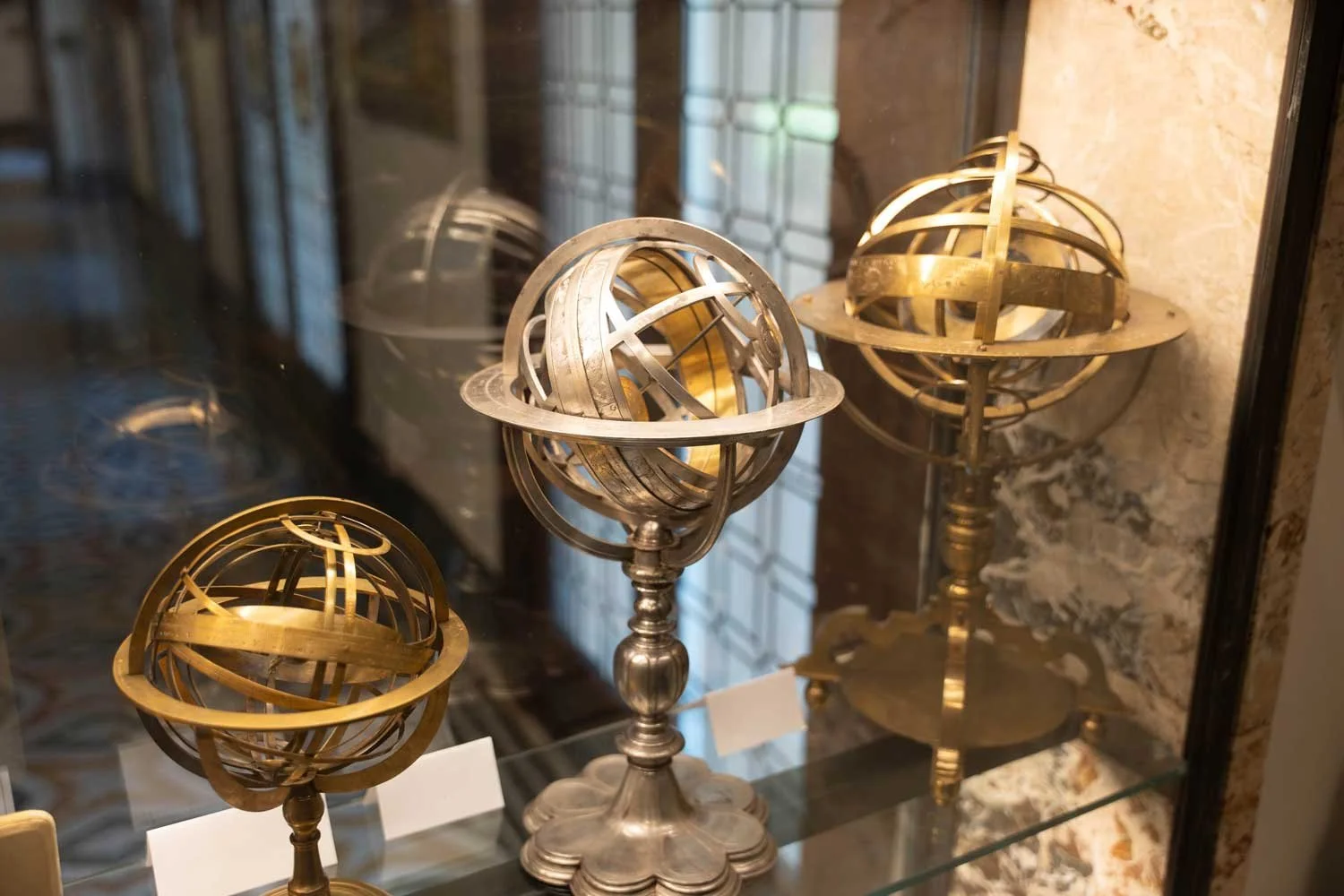
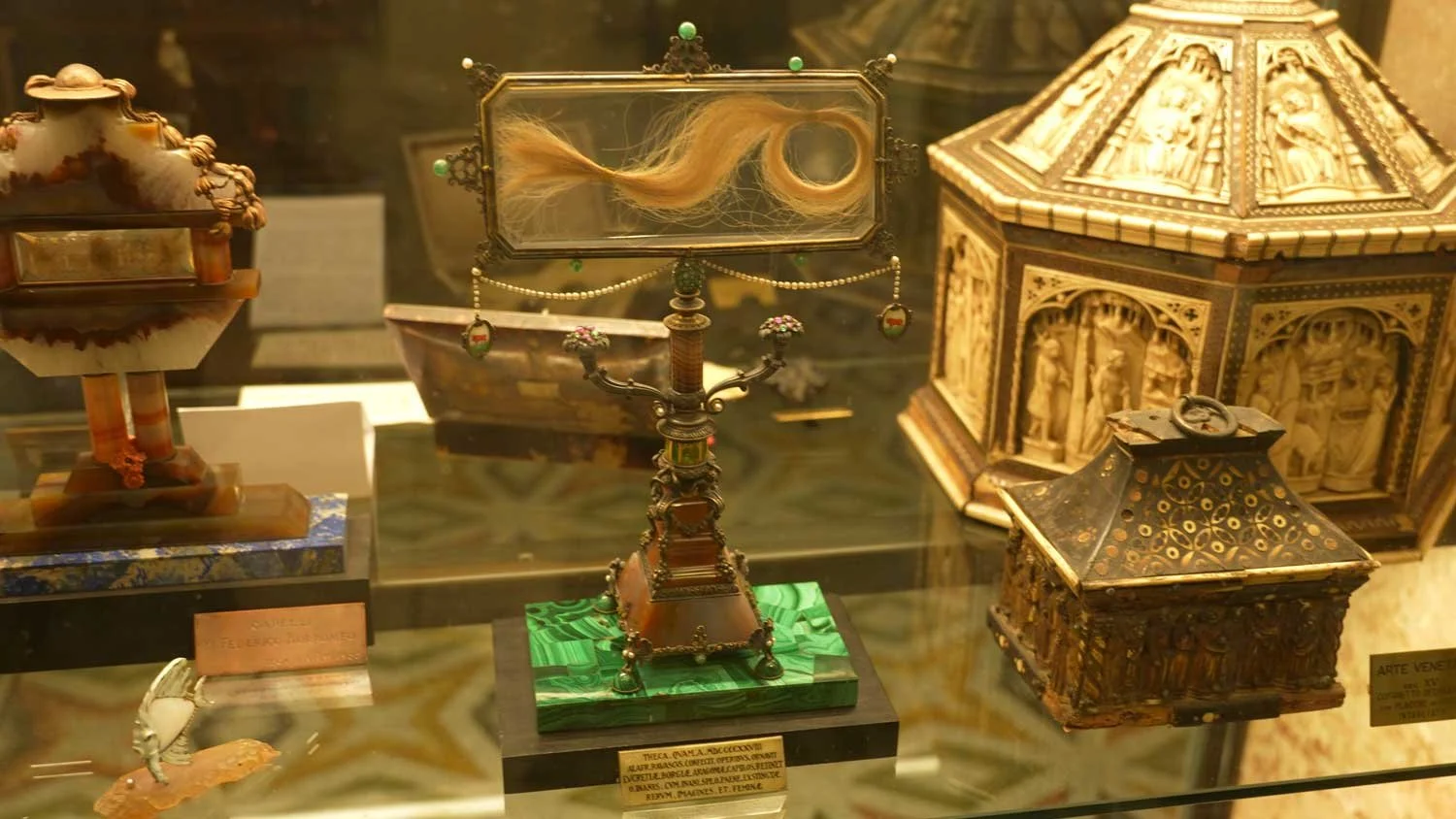
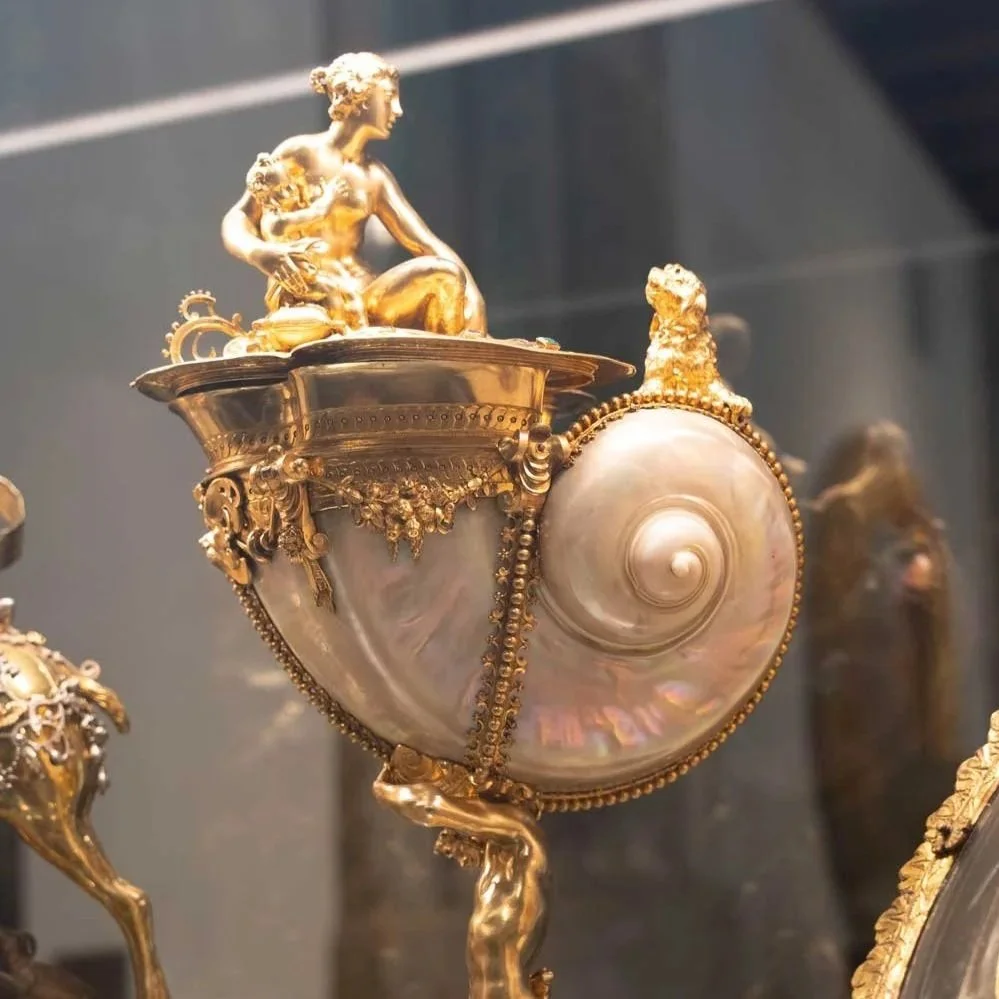
15th–16th century armillary spheres
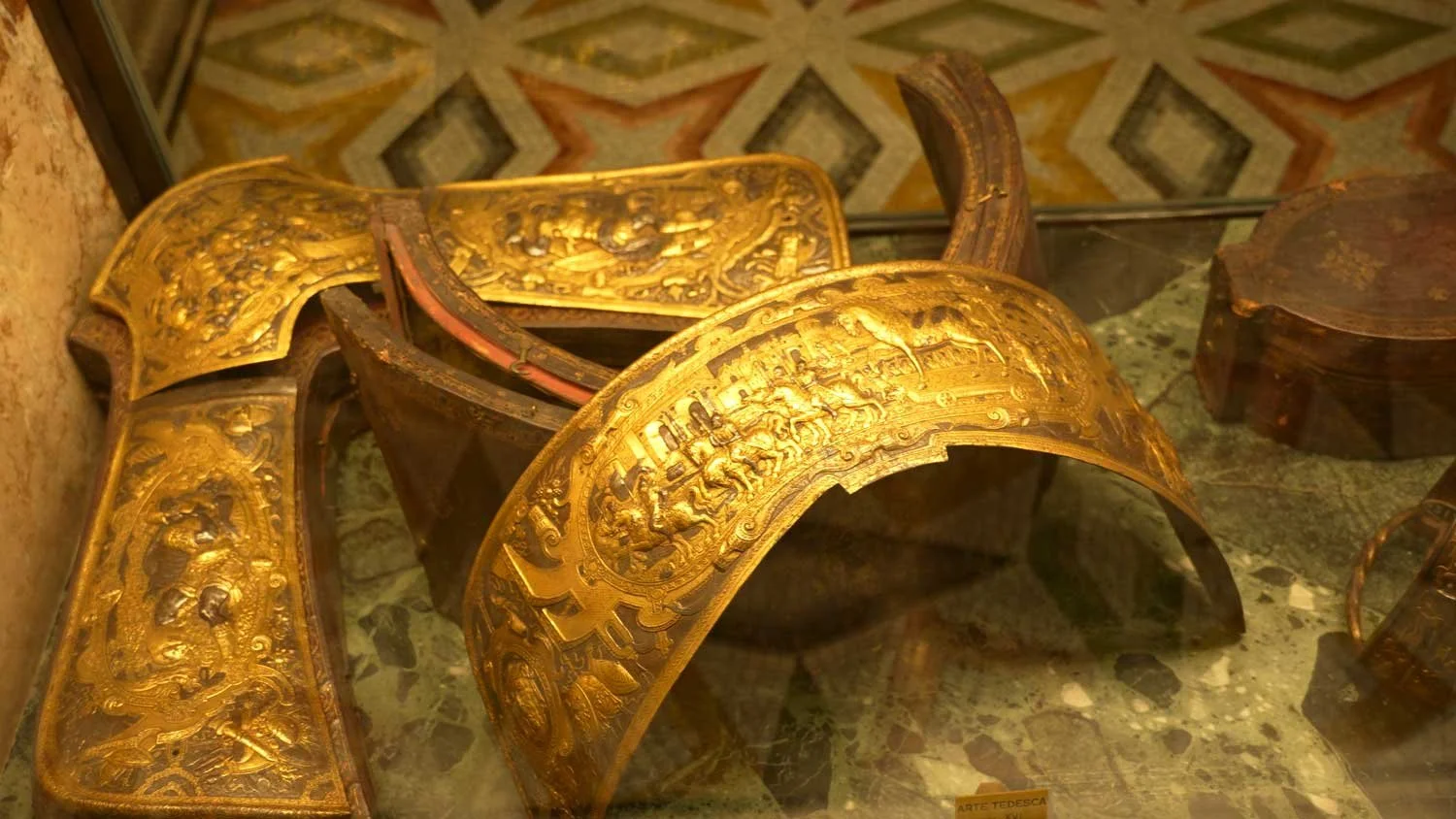
Ceremonial saddles and stirrups
Hair relics (yes — real locks of hair from Lucrezia Borgia, Count Cavour, and Cardinal Borromeo himself)
Sculptures and decorative objects
Biblioteca Ambrosiana: Manuscripts & Leonardo’s Codex Atlanticus
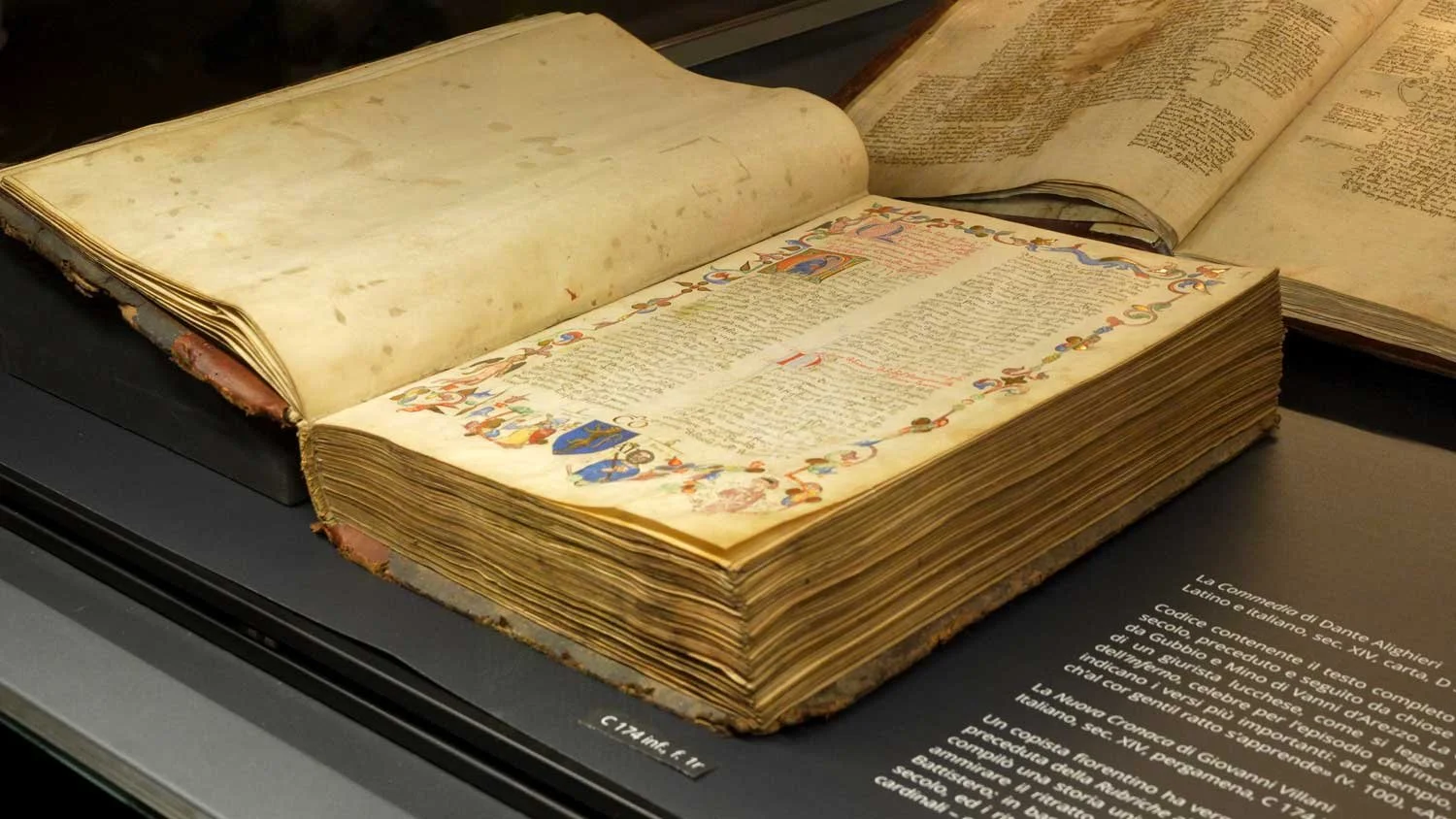
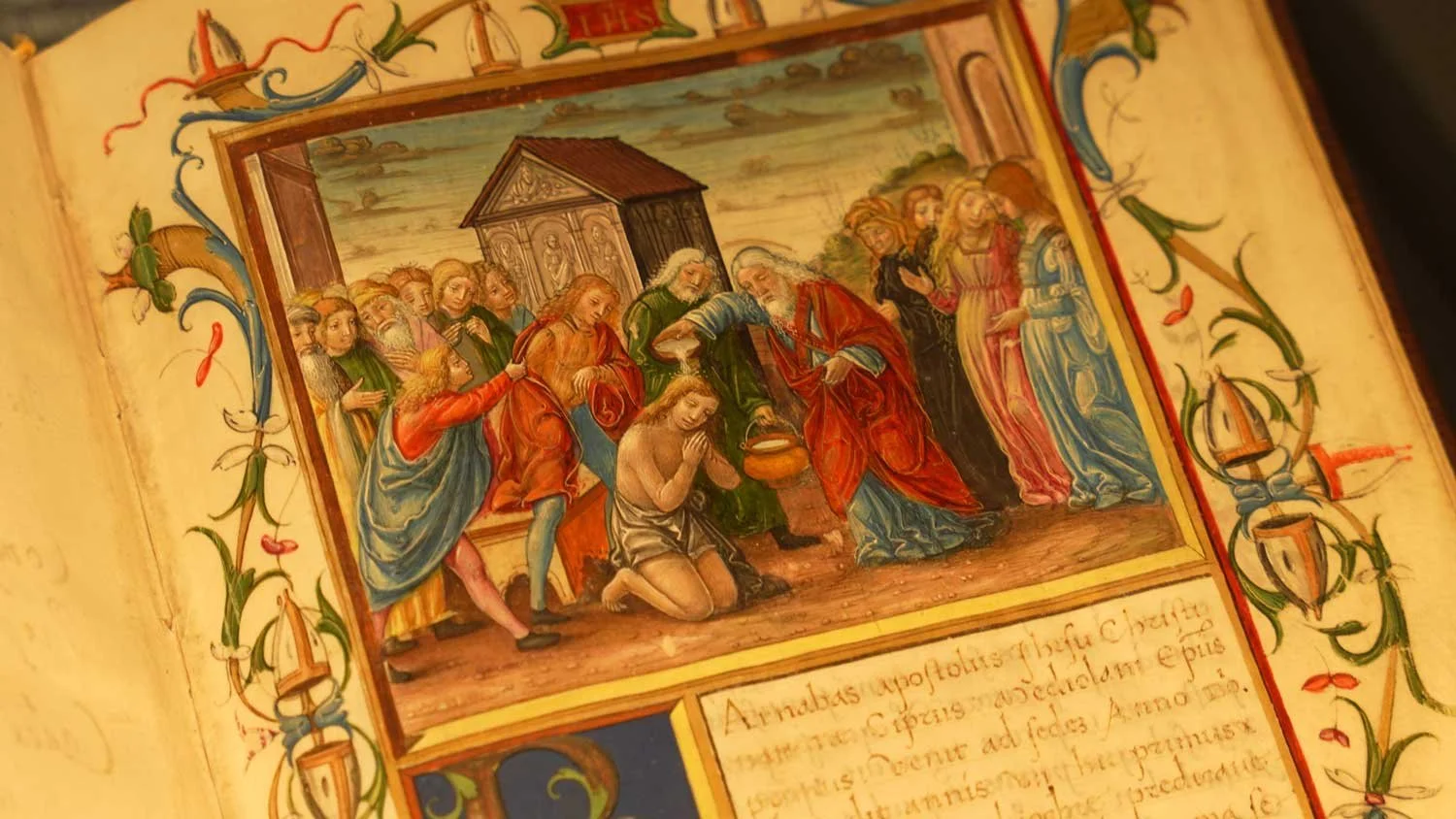
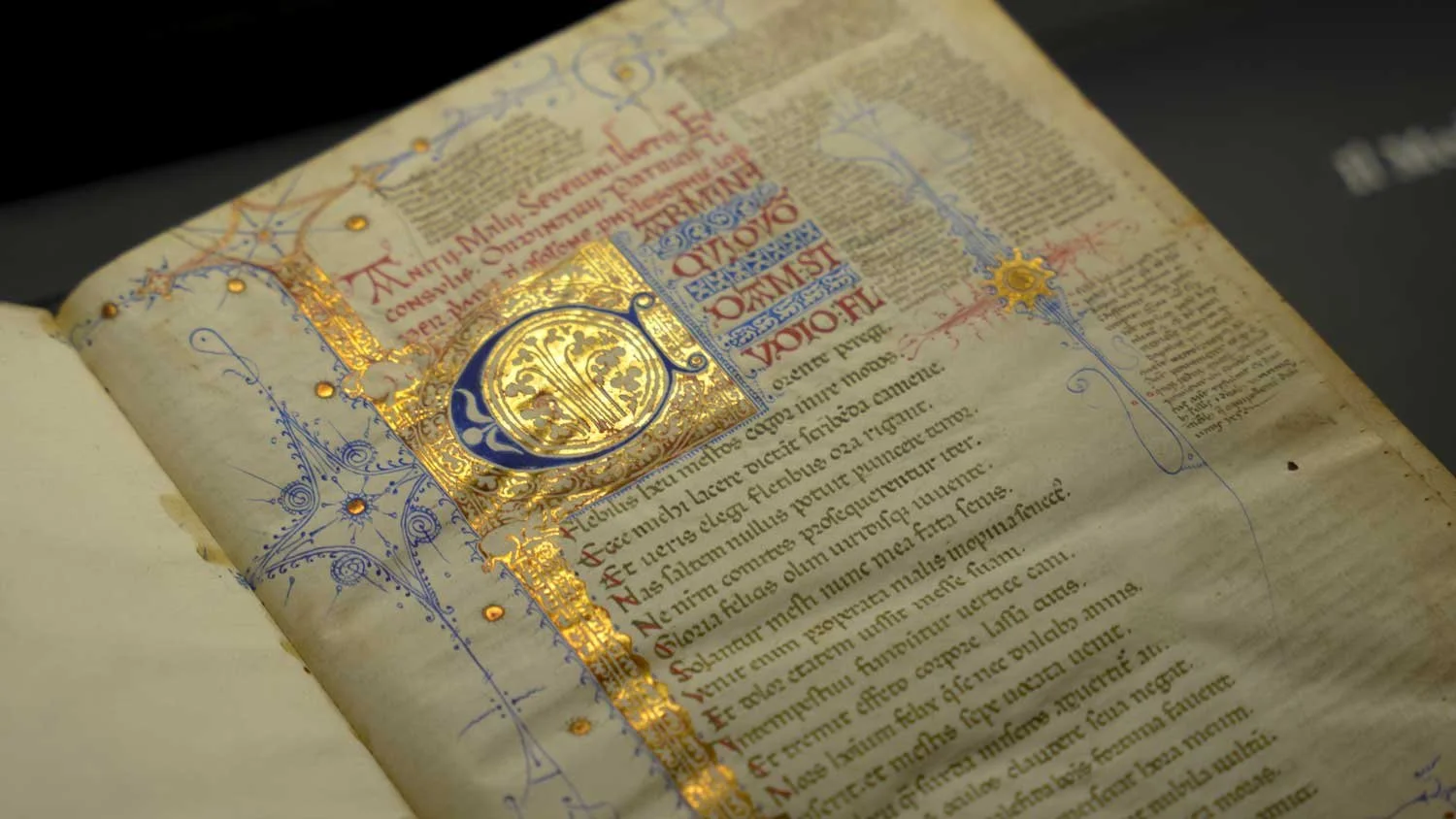
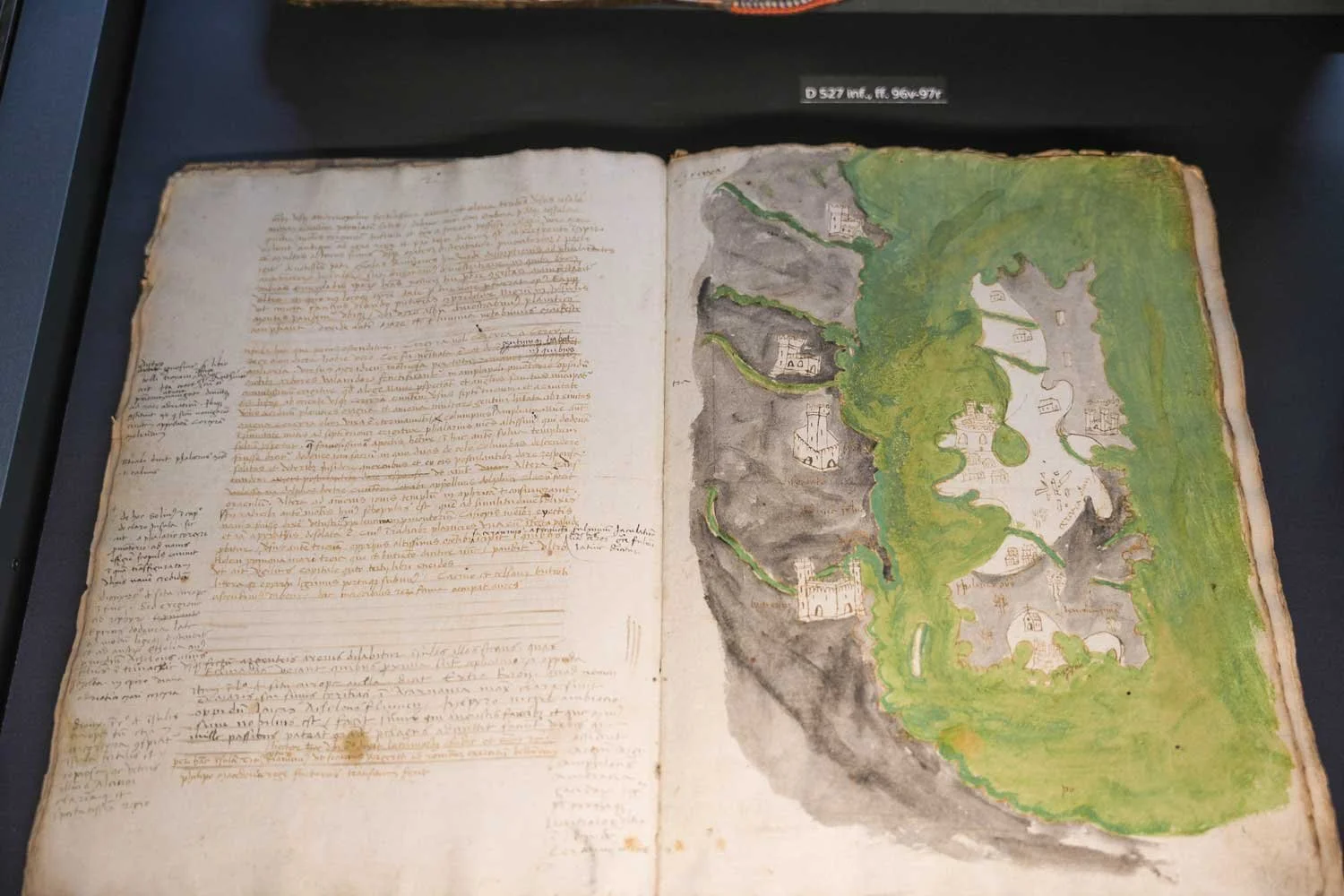
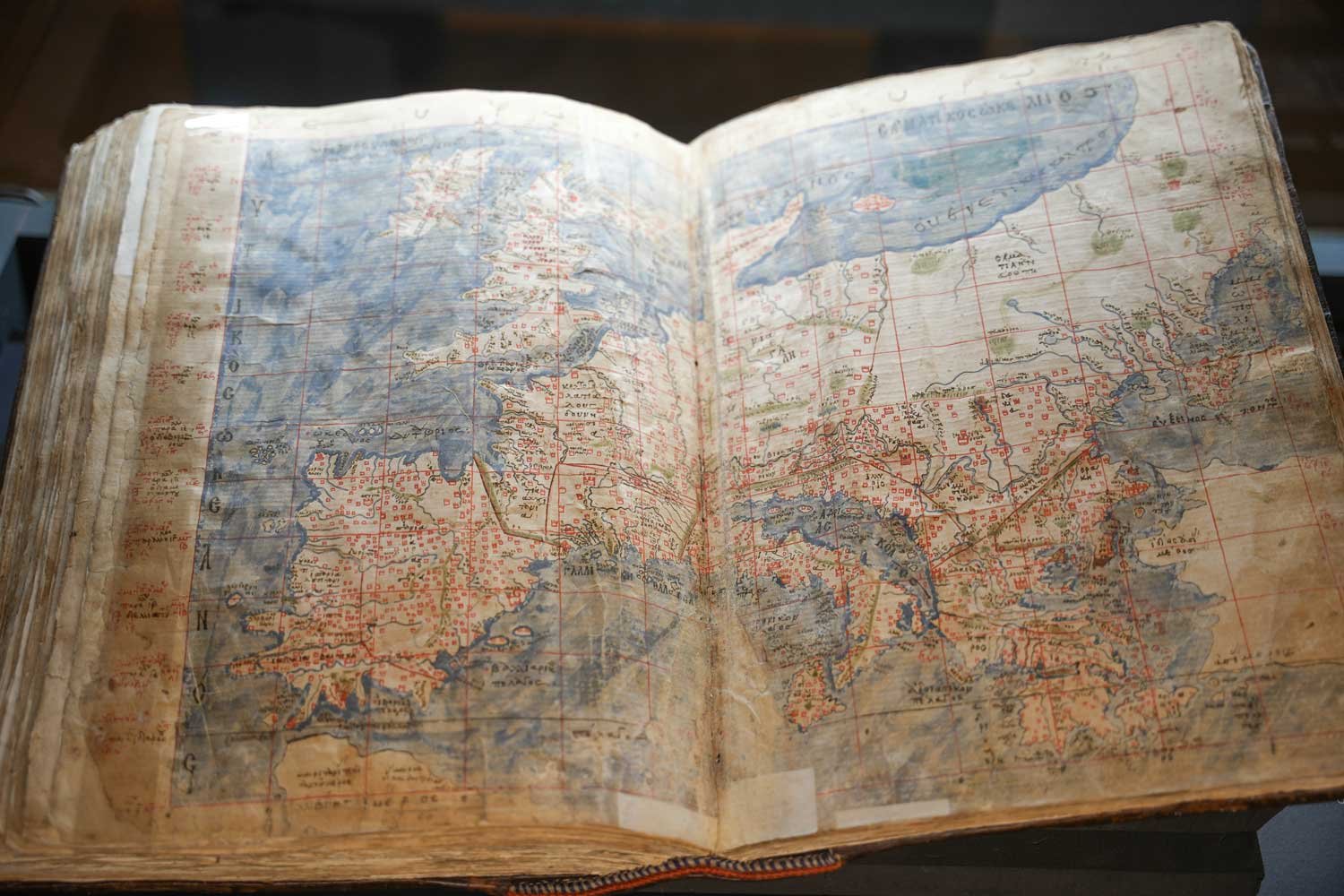
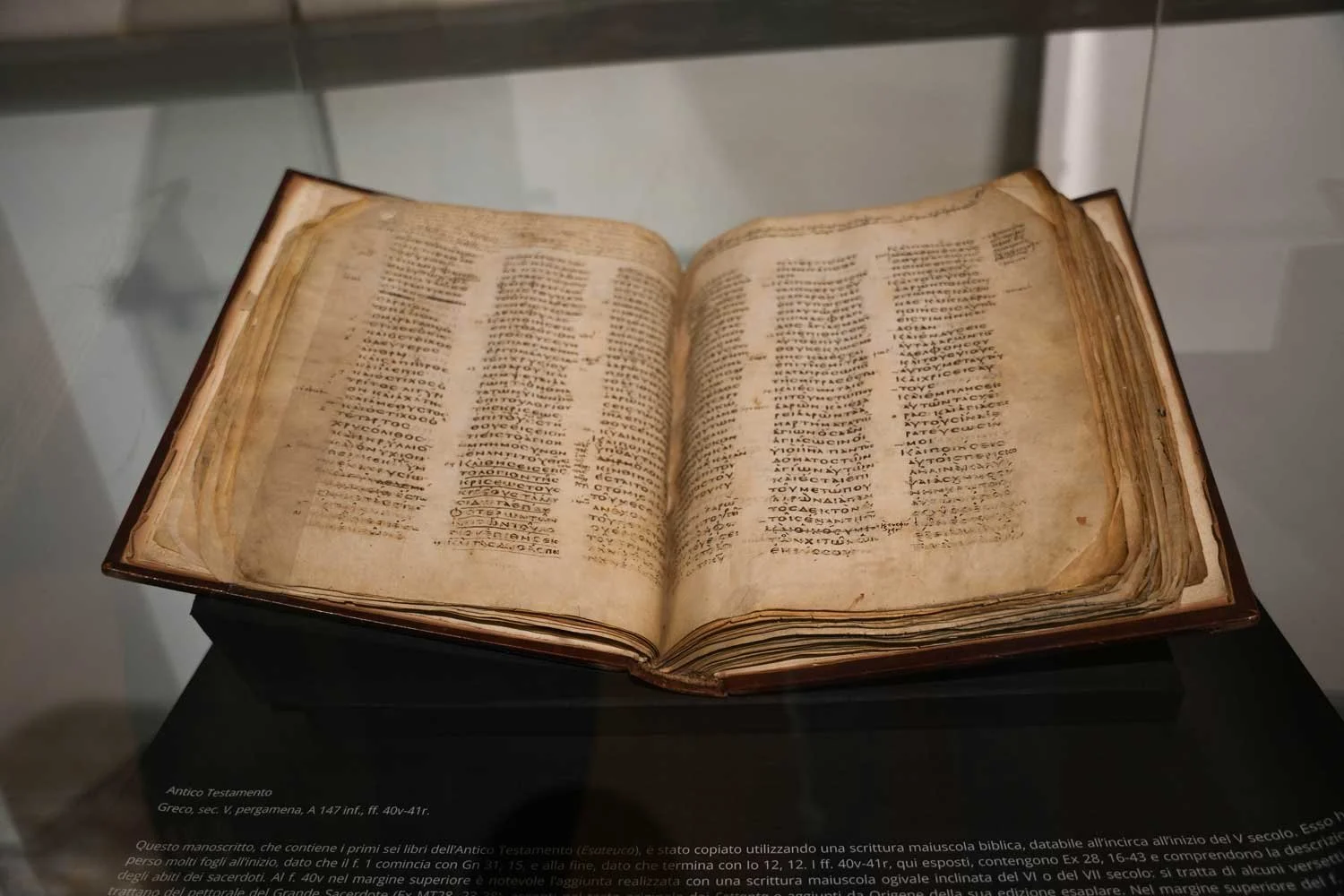
After the paintings, the library section is the second major highlight.
You’ll see:
Illuminated manuscripts from as early as the 5th century
Beautifully decorated liturgical books with gold and silver ink (pre-Gutenberg era)
A late 14th-century copy of Dante’s Divine Comedy
Rare editions of Aristotle, Pliny the Elder, and other classical authors
Autographs from historical figures (including Thomas Aquinas and Napoleon)
The Crown Jewel: Leonardo da Vinci’s Codex Atlanticus
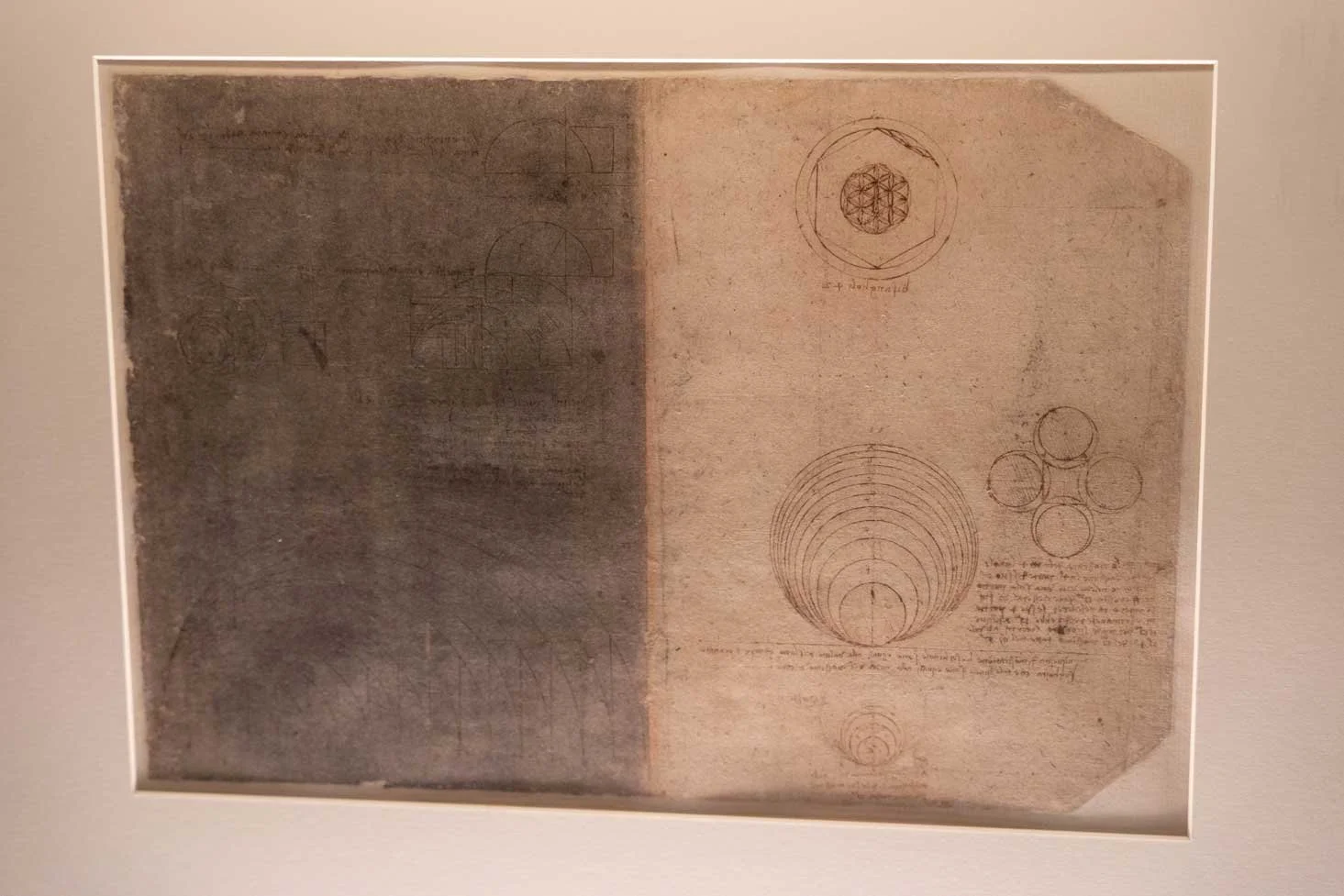
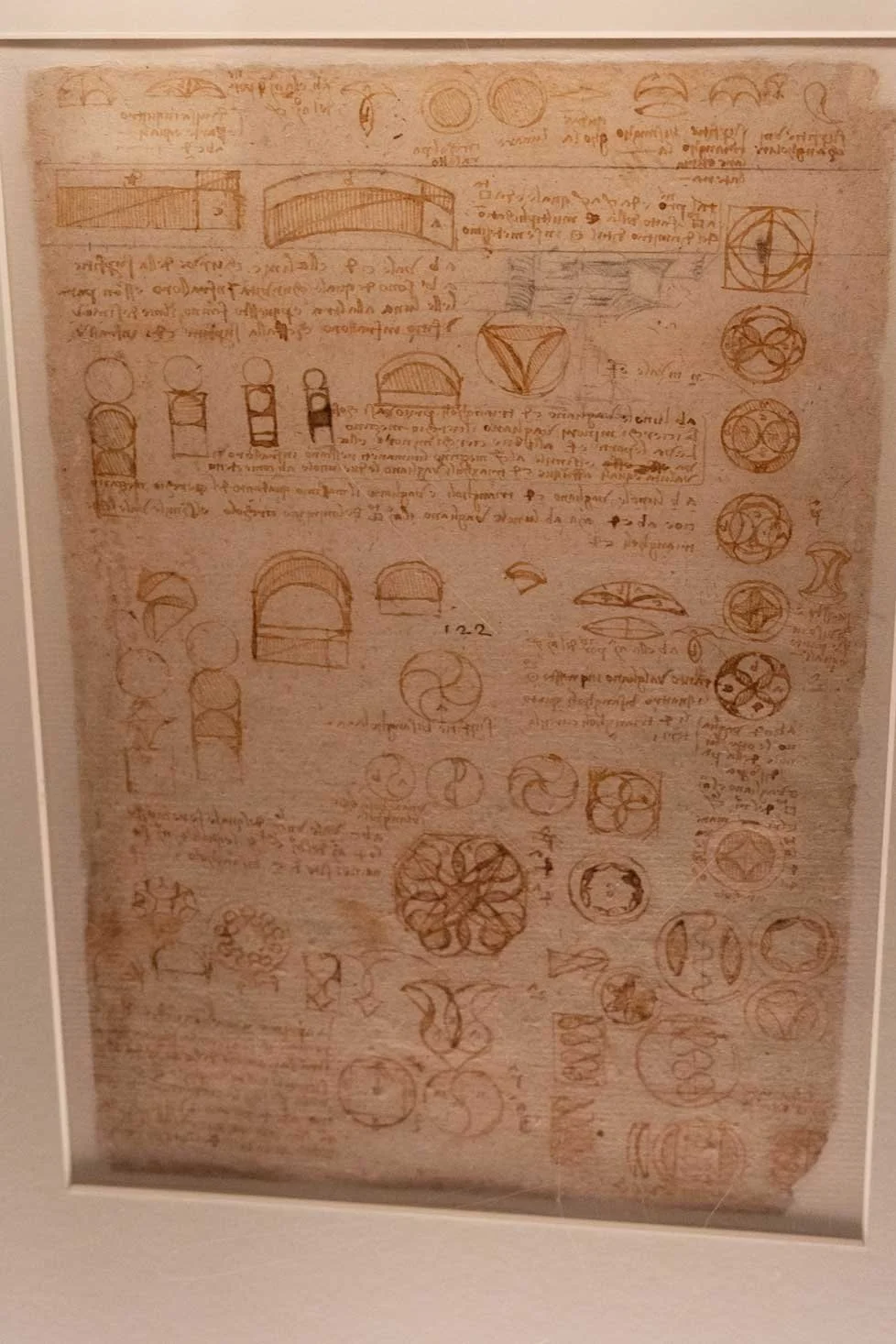
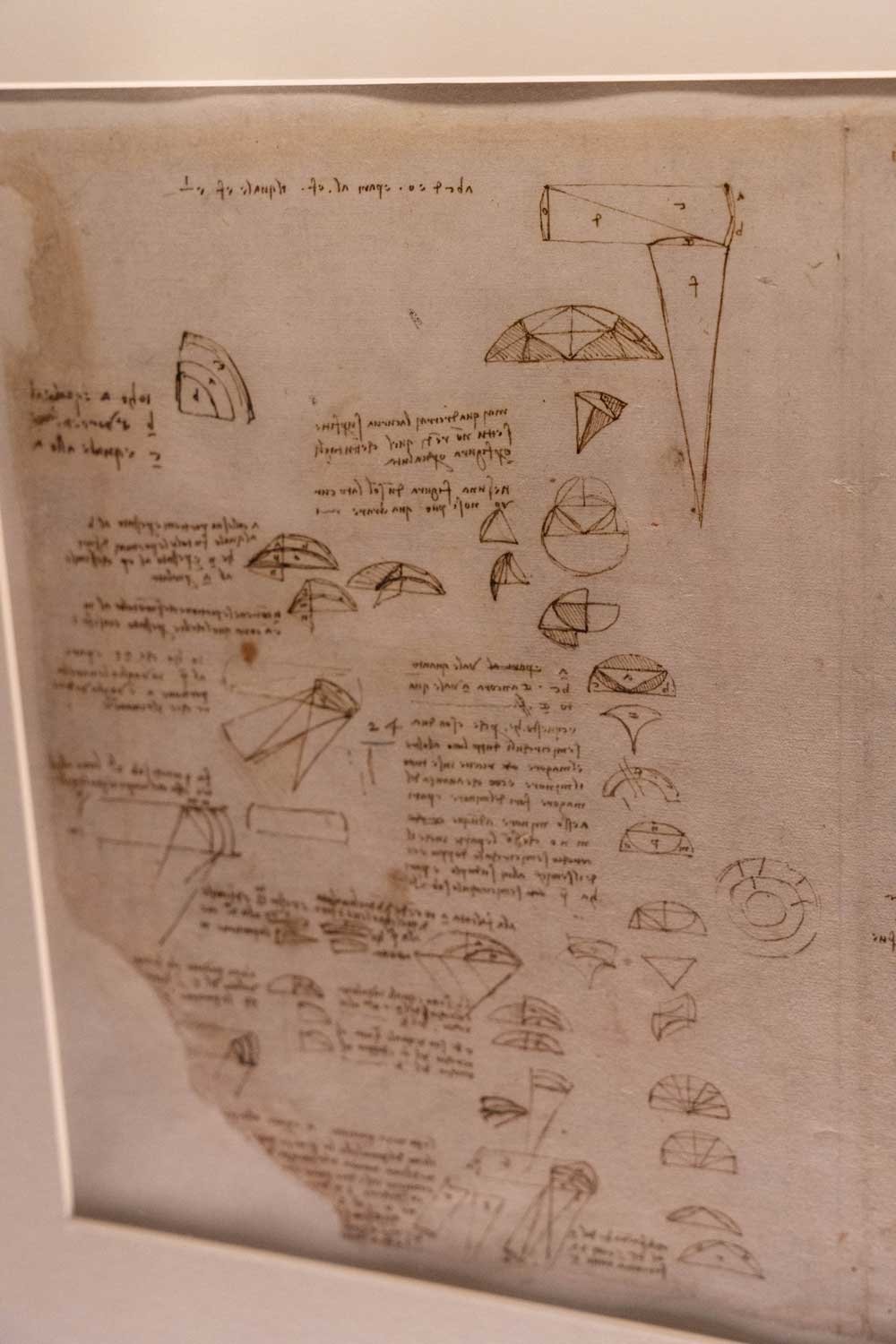
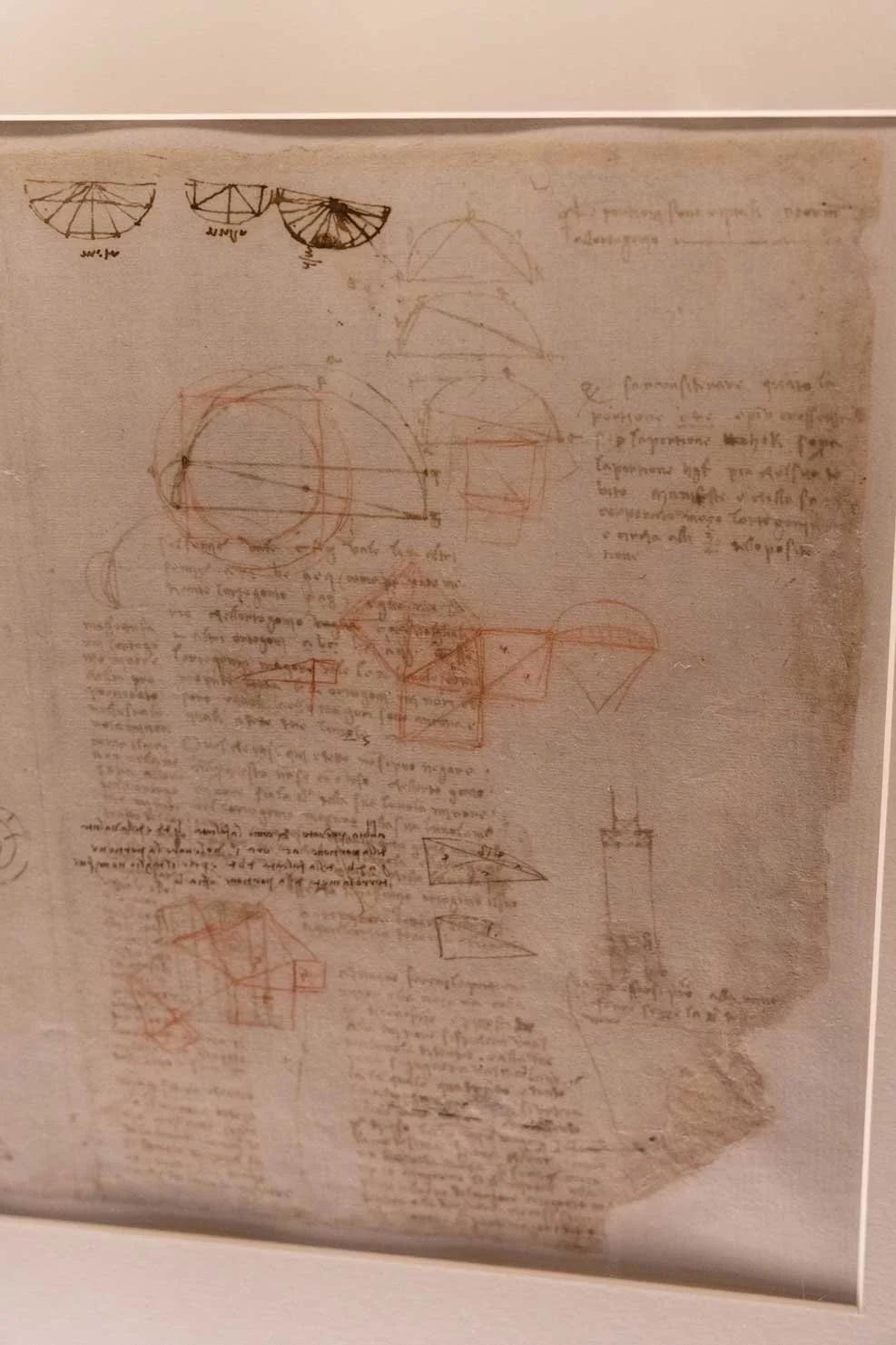
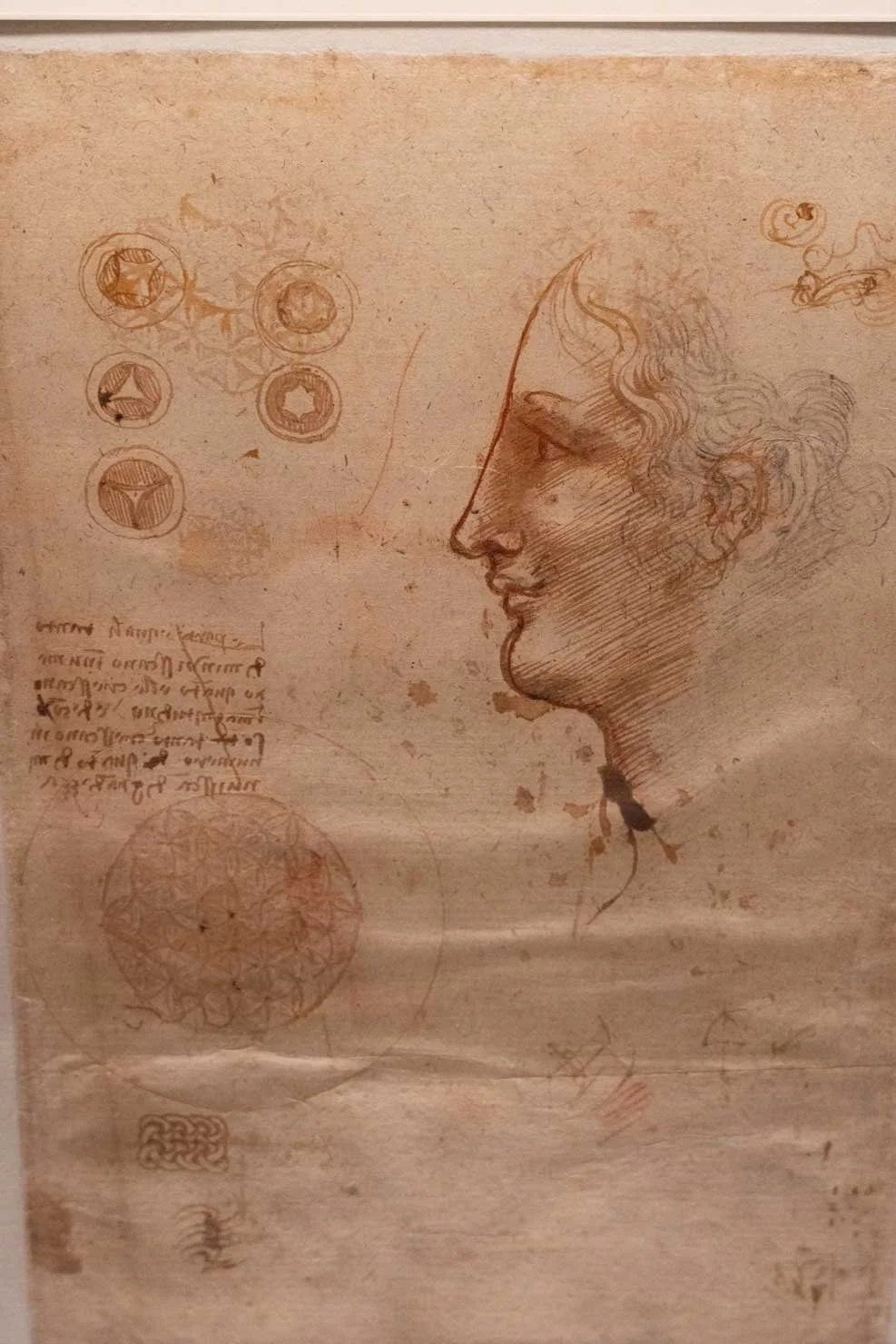
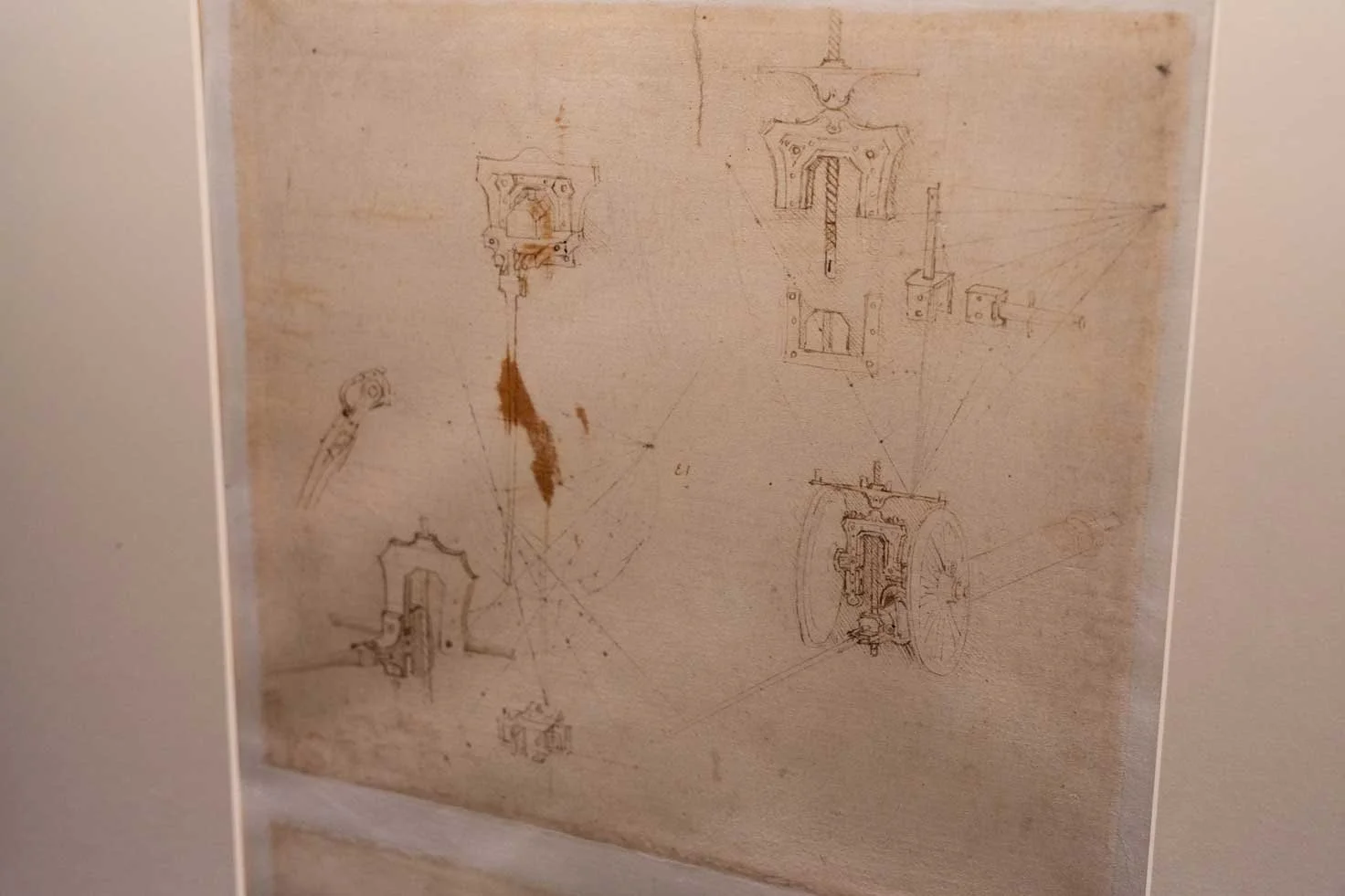
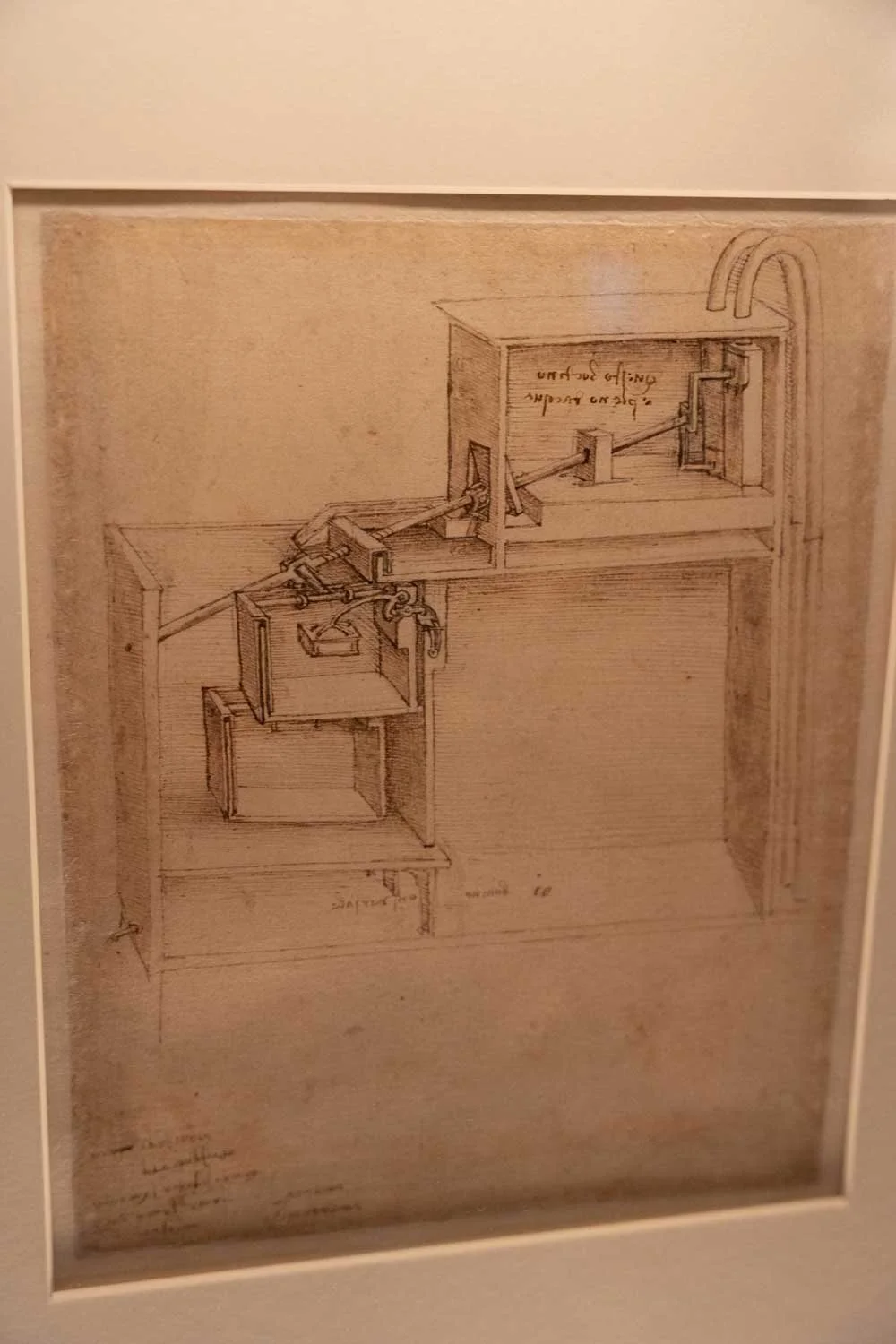
This is the single biggest reason many people visit.
The Codex Atlanticus is the largest collection of Leonardo da Vinci’s drawings and writings in existence — 1,119 folios spanning 1478–1519. You’ll see original sketches and notes covering:
Mechanical inventions
Flying machines
Hydraulics and water pumps
Military engineering
Architectural designs
Mathematics and geometry
Astronomy
Seeing Leonardo’s actual handwriting and rough sketches is incredibly moving. It feels like stepping directly into his mind.
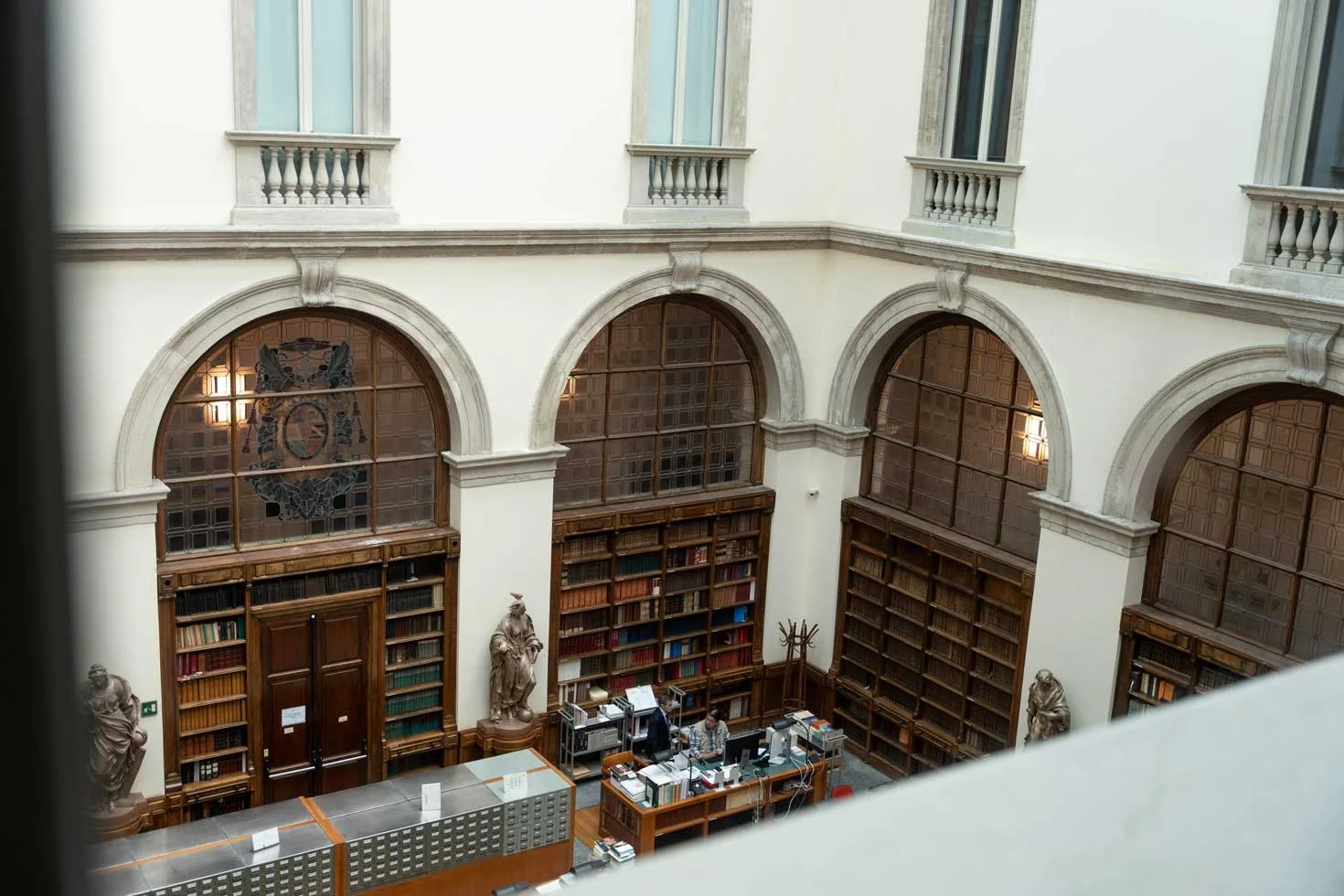
Sala Federiciana – The Famous Reading Room
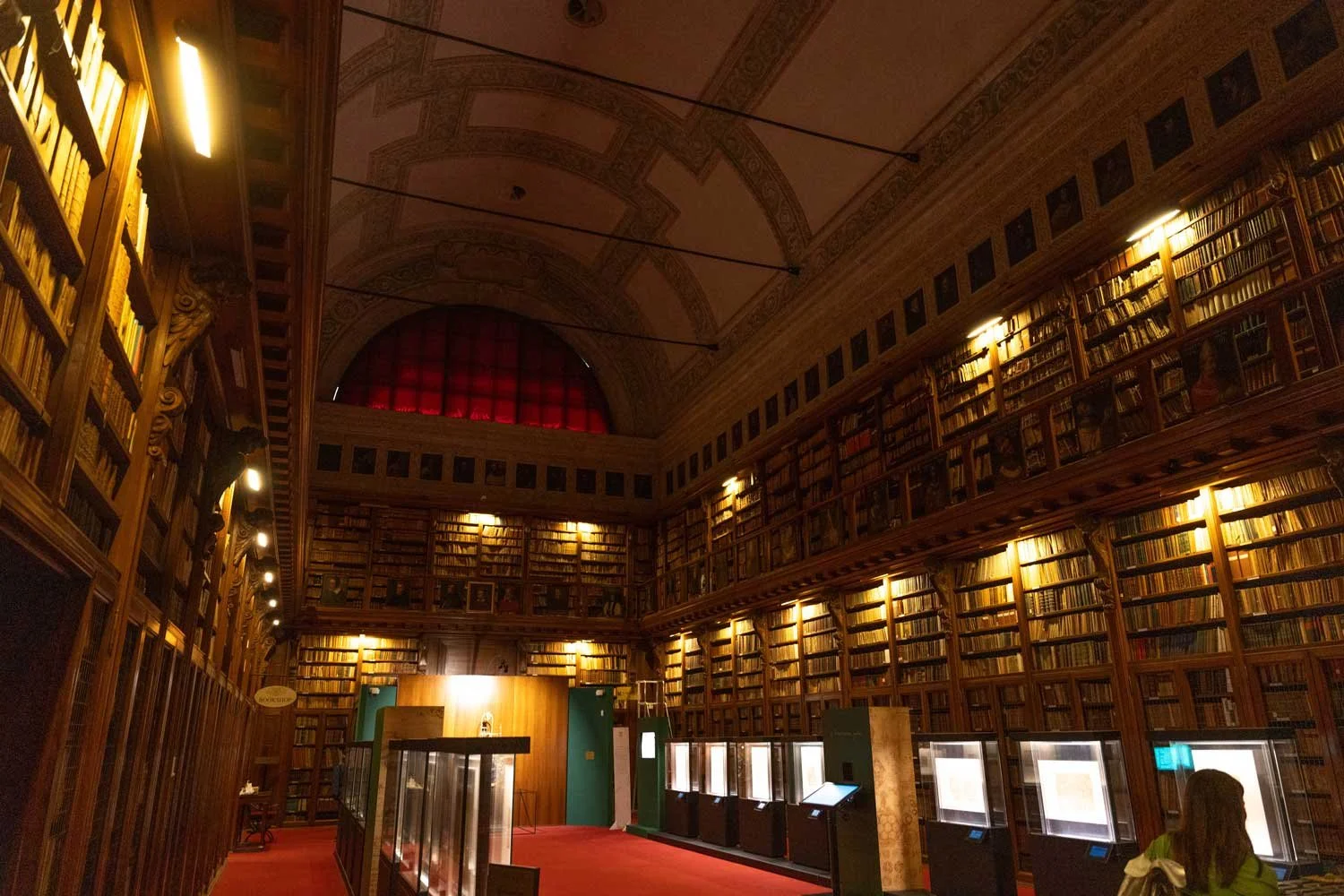
At the end of the visit, you enter the grand Sala Federiciana — the historic reading room with dark wood shelves, ornate ceilings, and a quiet, almost sacred atmosphere. It’s the perfect capstone to the experience.
Practical Information (2026)
Location
Piazza Pio XI, 2, 20123 Milano
(about 5–7 minutes’ walk from the Duomo)
Opening Hours
Monday–Sunday: 10:00 – 18:00
Closed Wednesdays
Last entry / ticket office closes at 17:30
Tickets (current prices as of 2026)
Pinacoteca only: €17 full, €5–13 reduced
Pinacoteca + Crypt: €20 full, reduced from €5
Audio guide available on-site (extra fee)
Access available through Duomo ticket package
Consider seeing the Crypt of San Sepolcro nearby
Best way to buy
Purchase online in advance via:
Official website: ambrosiana.it
Midaticket.com
Check for combo deals on the Duomo website or YesMilano City Pass
How long to spend
Most people need 1.5–2 hours. There are 19+ rooms, so you can easily spend longer if you want to go deep. Genevieve and I spent 3+ plus hours enjoying every detail.
Tips for visiting
Prioritize what interests you most — don’t feel pressured to see every room
The Codex Atlanticus and Sala Federiciana are the end
Wear comfortable shoes — there are stairs
No large bags allowed (there is a cloakroom)
Is the Ambrosian Library Worth It? Final Verdict
Yes — if you:
Love Renaissance art or Leonardo da Vinci
Enjoy rare books and manuscripts
Want a quieter, more intimate museum experience
Appreciate value-for-money attractions
Skip it if you:
Have only 1 day in Milan and want to hit only the absolute must-sees
Aren’t interested in art or history
Prefer modern/experimental museums
For most travelers who love culture and history, the Ambrosian Library is one of the best things to do in Milan — especially if you want to escape the crowds and see something truly extraordinary.